
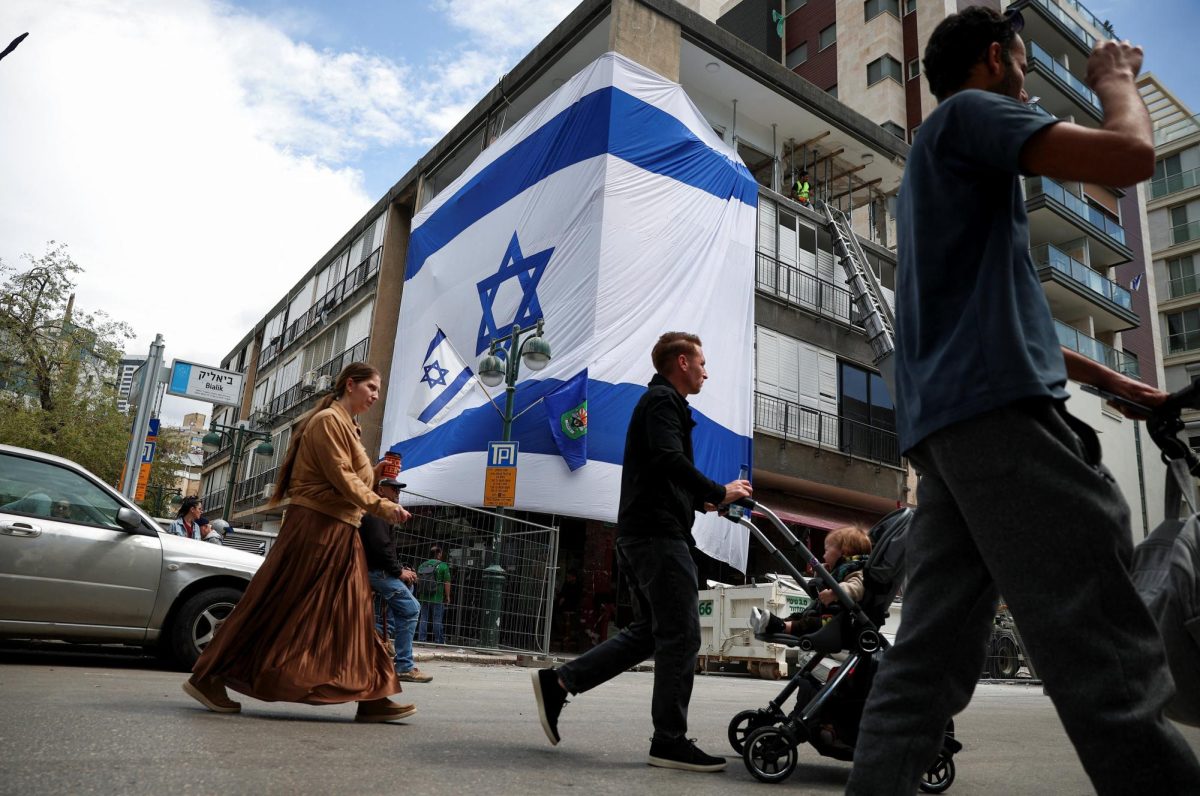
The ongoing war with Iran is causing Israelis to shift their lives into bomb shelters, moving furniture, appliances and even celebrations into the safe rooms because of the constant and unpredictable air raids.
In response to the extensive strikes launched by the U.S. and Israel, Iran and Israel entered a major conflict after years of “shadow war” and failed negotiations.
Iran is firing missile and drone strikes on Israeli territory, resulting in numerous civilian casualties and severe damage to infrastructure.
Israel’s Iron Dome, despite a high interception rate of approximately 92% to 95%, has faced strain, with some projectiles causing massive devastation and casualties.
The blaring air raid siren is frequent, and rather than constantly waking up to alerts and running to the bomb shelter in the middle of the night, Israelis are acclimating by modifying the shelters.
“My best friend and two of her four children have moved their bedroom into their home shelter,” said Judaics teacher Dr. Mayk-Hai. “Israelis have adapted–how they sleep, where they sleep and through that one reevaluates whether daily activities are necessary.”
Moving into a shelter is becoming commonplace throughout the country, yet home safe rooms aren’t accessible or feasible for everyone. Citizens living in poorer towns or older buildings are forced to relocate entirely.
Underground bunkers have transformed into temporary homes for many, replacing the functions a house might provide. Citizens work, eat or even sleep in parking garages and light rail stations to ensure their safety until threats recede.
Public shelters are currently crowded with tents, mattresses and personal bags from the affected inhabitants.
Once a siren goes off, it can be a matter of minutes before impact. Disadvantaged people, such as the elderly or disabled, cannot quickly seek shelter and often must reside in shelters as well.
This displacement is a tremendous disruption to daily life.
Although municipalities provide water and other essentials to people living in shelters, Israeli philanthropy has risen to the occasion.
In larger shelters, organizations have formed to aid childcare, donate food and organize prayer services for residents.
The Israeli nonprofit Shinua Hevrati (Social Delivery), among various others, locates unwanted items for companies like excess clothing and supplies for people in need. Whether in a shelter or affected by the missiles themselves, Shinua Hevrati donates ample aid.
Specifically, they provide bedding, toys, hygiene essentials, infant products and more to those housed temporarily in public shelters.
Hardship as a result of the war not only sparked Israeli generosity locally, but also worldwide. The Jewish National Fund of the USA has raised over $10 million to address Israel’s long-term needs. The funds have been used to establish new shelters, rescue equipment, firetrucks and resilience centers.
Although facing catastrophic times, Israelis and Jews worldwide have stepped up to help, support and make the transition into shelters as painlessly as possible until the danger subsides.
Despite mass devastation, fear, and constant change, Israelis are persevering, turning a miserable situation into a communal simcha (joyous occasion).
“In such stressful times, community is essential,” said sophomore Logan Gladstone. “People need each other, especially as Jews, to endure difficulties.”
The Iranian attack occurred unexpectedly on Purim, missiles flared overhead as Israelis and their children abandoned the bouncy castles and costume parties to seek shelter.
Children mourned such a joyous holiday, but Purim celebrations persisted within the shelters after being interrupted by the alarms.
“Yet the spirit of Purim persists. To preserve joy for our children, costume-clad Israelis gathered in underground parking lots and subway stations for communal readings of Megillat Esther (the Book of Esther) and holiday celebrations,” said senior vice president Leah Garber in a message from the JCC Association of North America.
Purim is about the Jews’ salvation from a plot to destroy them. Many Israelis noticed the parallels between the biblical story and the current circumstances.
Freshman Tamar Ashkenazi said that “the Jews are an undeniably persistent people, and like the miracle of Purim, the Jews continue to persevere against those who advocate for their destruction. Whether Haman or Hezbollah, the Jewish people always find a way to not only survive, but thrive.”
Prayer services and Megillah readings took place within bomb shelters to observe Jewish tradition safely and commemorate the holiday without a synagogue.
“In Judaism, we are meant to observe Jewish laws to the best of our ability. This willingness to observe the mitzvah of hearing the Megillah while staying safe in a time of danger is a classic sign of Jewish adaptation and resilience,” said Rabbi Waldman.
Instead of cowering in fear and giving up, Israelis are doing what they do best: making the best of a bad situation.
“I have experienced holidays in the bomb shelter,” said sophomore Gilad Gefen. “It is absolutely horrible to have to be in that small and stressful space, yet I’m happy that Israelis are making this a meaningful experience for themselves.”
In March, Iran dismissed the U.S. ceasefire terms for Israel, yet insinuated their willingness for future compromise. Though the war may end soon, Israelis have proven their resilience and fortitude nonetheless.