
Discussions about the rise of antisemitism in sports and on social media have become increasingly common.
Streamer Adin Ross goaded professional athletes into making antisemitic remarks and actions on two separate occasions: one in a stream with Rams receiver Puka Nacua, and another in a stream with MLB Dodgers player Mookie Betts.
While on stream with Ross, Rams receiver Puka Nacua was told to hit an antisemitic pose known as the “covetous Jew” after scoring a touchdown.
In the following stream, Adin Ross asked Dodgers star Mookie Betts if he was hairy, mentioning he was Jewish. Betts said, “Jewish people typically are, you know what I’m saying?”
Many of Ross’s celebrity guests on his streams are professional athletes, creating a combination of viewers who enjoy sports and those who solely enjoy watching his content.
Because of the overlap of viewers, the antisemitic remarks were heard by and affected both communities, making the situation even more serious.
Junior Caleb Lebeau said, “Even if they say that they were joking, it doesn’t mean people weren’t hurt by their comments. Jokes about any group of people can lead to hate if nobody speaks up.”
Many other students agreed, emphasizing that these celebrities and professional athletes should understand the power and influence they have. What they say has the potential to reach large communities and have a large impact.
These recent issues have sparked nationwide debates on the level of respect that a celebrity or professional must show in a public setting.
This controversy shows how fast hate and antisemitism spread, also revealing how celebrities sometimes don’t think before they speak.
Junior Avi Kutten said, “The Jewish community has seen similar situations like this before, like with Kanye West. Being a celebrity or a professional athlete requires self-censorship.”
These recent issues in both the social media and sports world highlight how important it is for public figures to realize the weight and power that their voice has.
Hateful remarks against any group when spread online, especially when spread by influential and famous people, can deepen anger and hatred towards entire communities.
The sports world has seen several situations like this before. Many ultra-famous athletes have been known to post hateful comments on social media.
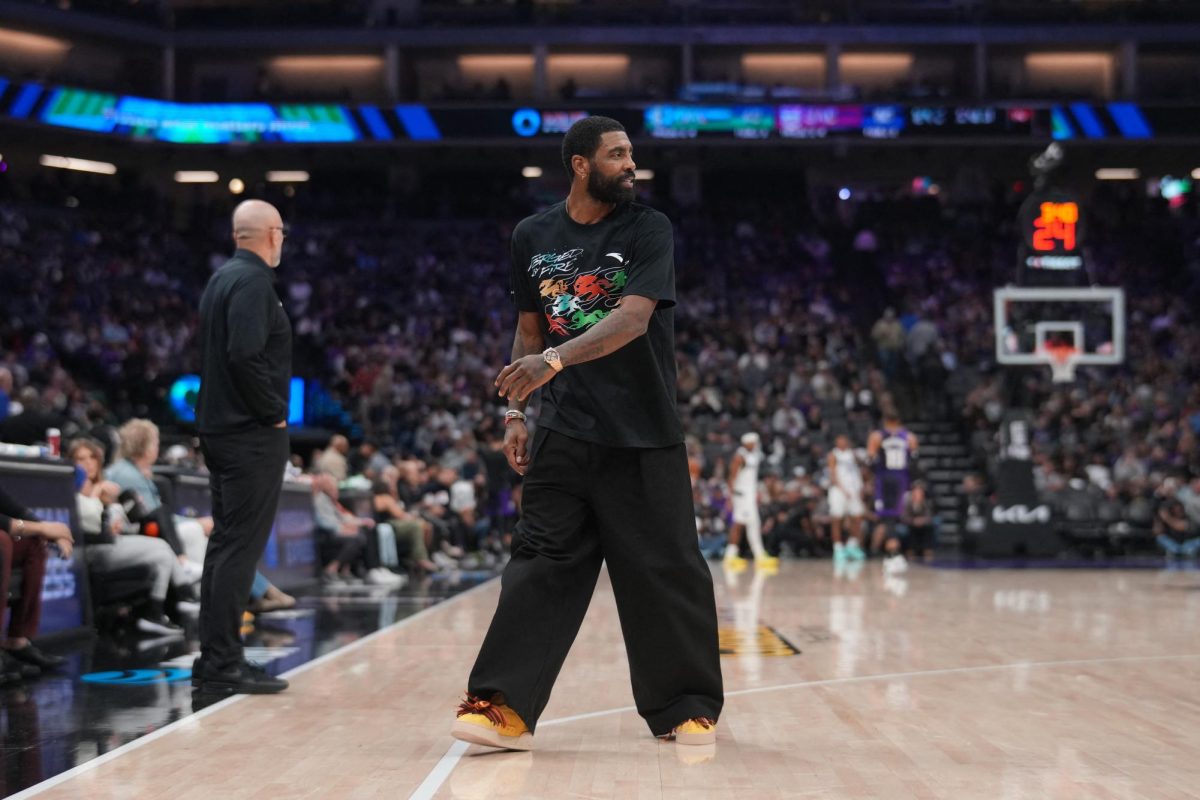
A well-known example of this was in November of 2022, when current NBA Dallas Mavericks player Kyrie Irving posted multiple anti-Semitic remarks on Twitter.
As it turns out, Irving was coached in the past by long-time basketball coach and gym teacher at GOA, Sandy Pyonin.