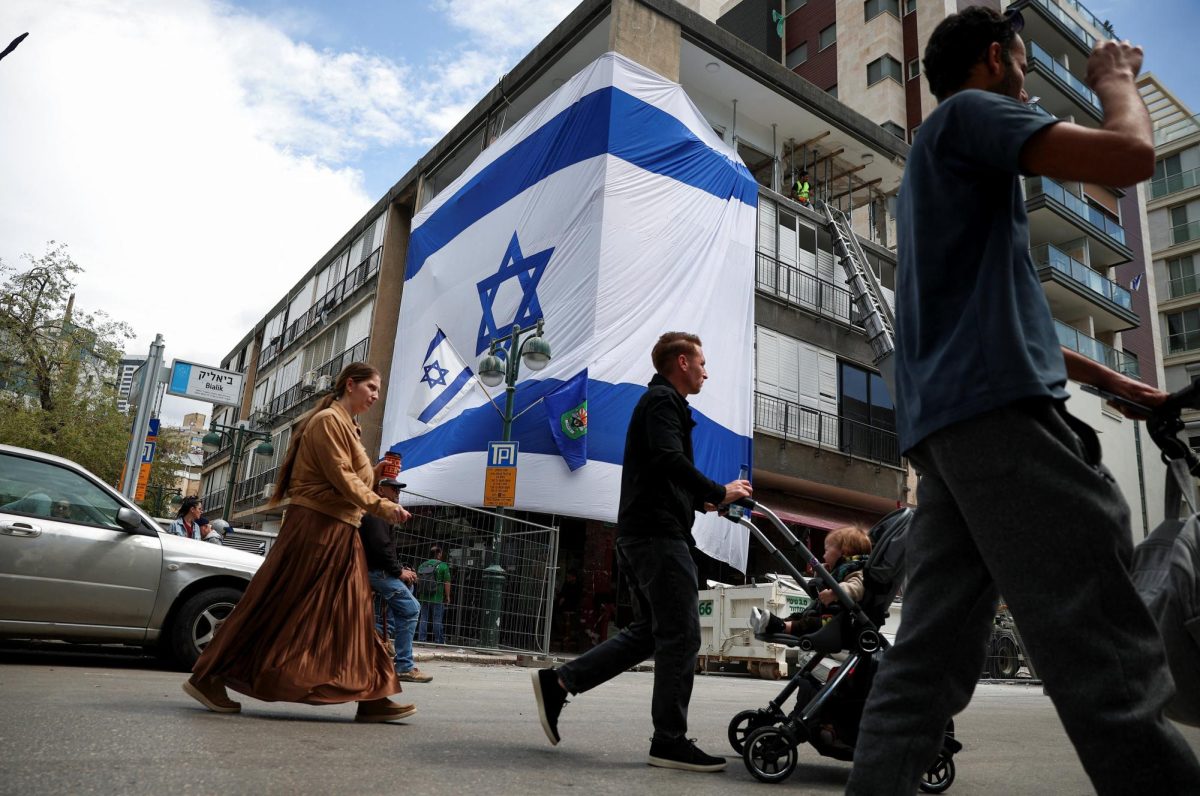

Israel has continued to expand control over the West Bank, a move that many observers see as part of a broader plan to gain full authority over the territory.
In recent months, Israel has faced both support and resistance over its efforts to annex parts of the territory and establish new settlements.
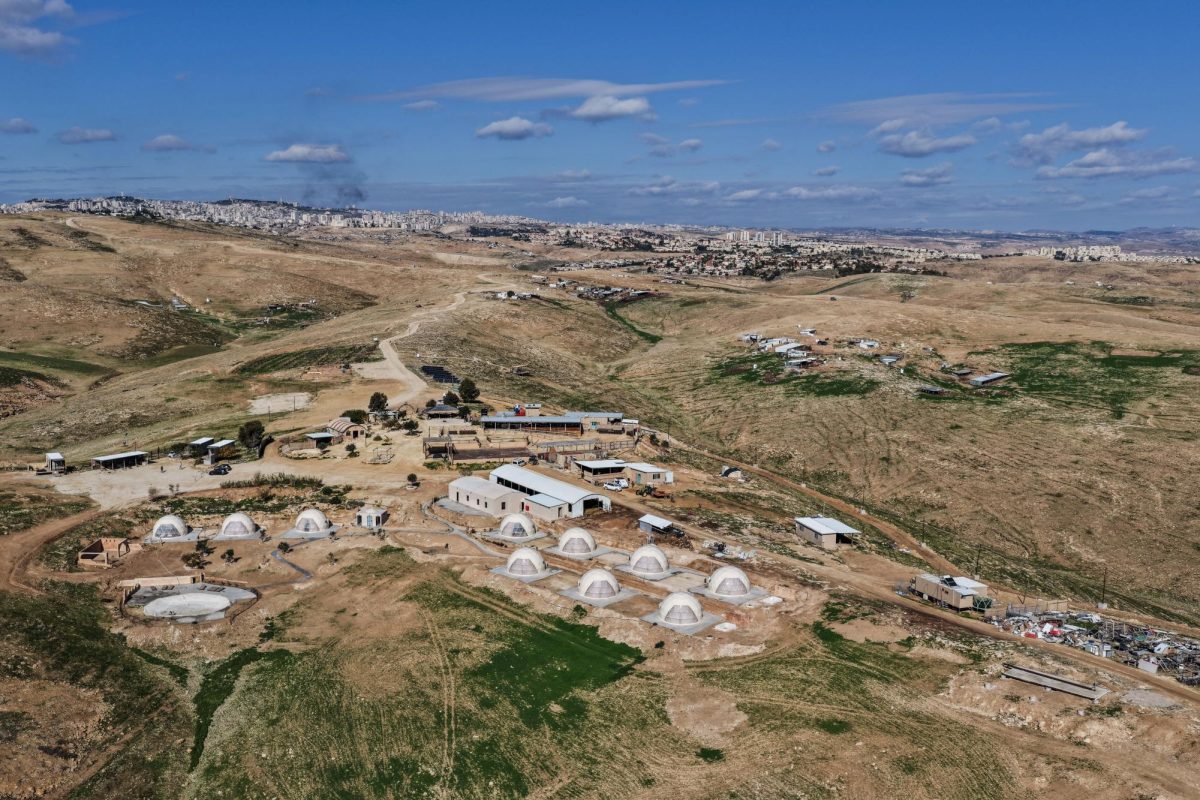
Defense Minister Israel Katz confirmed that the Israeli government approved plans to construct 22 new settlements in Judea and Samaria (the Israeli term for the West Bank) in May 2025, including constructing towns on land already settled by religious nationalist pioneers.
These initial settlements, called outposts, are considered illegal under Israeli law until they are formally recognized and supported.
Katz said, “The new settlements are all placed within a long-term strategic vision, whose goal is to strengthen the Israeli hold on the territory, to avoid the establishment of a Palestinian state, and to create the basis for future development of settlement in the coming decades.”
Senior Boaz Passner said, “It looks like the government has abandoned any notion of working for a 2 state solution, and has become more open about its goals.”
In July, the Knesset passed a symbolic motion calling to, “[apply] Israeli sovereignty to Judea, Samaria and the Jordan Valley.”
A few months later, Finance Minister and Religious Zionist Party Chairman Bezalel Smotrich succeeded in getting a new cluster of settlements, commonly known as a settlement block, approved for construction that would cut the West Bank in half.
Netanyahu said, “There will be no Palestinian state,” while celebrating the extension of Maale Adumim, an Israeli settlement in the West Bank, as part of the new settlement block.
Smotrich, a settler himself, proposed a plan to annex 82 percent of the West Bank, in response to Western countries’ recognition of a Palestinian State, according to the Times of Israel.
This plan stated that Palestinians not in the six major Arab cities(Ramallah, Jenin, etc), instead residing in the newly annexed lands, would be able to manage civil affairs but would not receive citizenship or voting rights in Israeli elections. This has been the case for Palestinians in East Jerusalem since its annexation in 1967.
Sophomore Aeden Pinsker said, “If we’re going to annex the West Bank, we need to give everyone the exact equal rights as Jewish Israelis. Otherwise, it’s literally apartheid.”
“It wouldn’t be apartheid. Apartheid refers to a system rooted in a racist belief in the superiority of an ethnic group, like whites over blacks in South Africa. This is directly and indirectly for the security and preservation of the only Jewish State,” said another student in response.
In response to the plan and the denial of political rights for Palestinians, the UAE called this a “red line” regarding their peaceful relationship with Israel.
In late October, U.S. President Donald Trump said that he would not allow Israel to annex the West Bank.
Palestinian and international observers and politicians have said that a peace in Gaza would have to be as part of a deal to reach a two-state solution.
Sophomore Gilad Gefen said, “It’s a big question [whether to annex or not]. I’m pro two-state solution because I believe both sides deserve a real home and a sense of peace and safety. But at the same time, I think it’s hard to imagine how we actually get there right now because there’s so much anger, fear and division that it doesn’t feel possible right now.”
The two-state solution is the term for an Israeli state beside an independent Palestinian state, according to the 1949 ceasefire lines. In theory, the West Bank and Gaza would be part of Palestine. Israel agreed to attempt to reach this in the 1993 Oslo Accords, and the United Nations has passed numerous non-binding motions in support of this.
However, settlements, which are illegal under international law, have cut up the West Bank in what experts refer to as “swiss cheese.”
Settlements originated in the months and years after the Six Day War, in which Israel captured territory from Syria, Egypt and East Jerusalem and the West Bank from Jordan. Most were founded by religious nationalists, who felt that they had a duty to settle the land that G-d promised to them in the Torah.
Bezalel Smotrich and his Religious Zionism Party hold this belief.
The Israeli government eventually allowed them to continue and began protecting, funding, recognizing, constructing and subsidizing them when they became part of a policy to ensure Israel’s security.
Analysts say if Israel used settlements to convert the West Bank from Palestinian to Jewish/Israeli, then there would be no Palestinian state to threaten Israel’s existence.
With settlements comes the need for protection, and therefore the controlling of movement of Palestinians, which would hopefully ensure more security. Security has also become a driving motive in settlers’ ideology besides their initial religious beliefs.
Around 500,000 Jews live in the West Bank, with another approximately 200,000 living in the parts around Jerusalem according to the Israeli Interior Ministry.
The Israel Defense Forces (IDF) has conducted extensive anti-terror operations in the past two years, especially in “refugee camps” like Jenin and Tulkarem, which left them heavily ruined.
The Palestinian Authority (PA), which was established as part of the aforementioned Oslo Accords, has political and security control over around 20 percent of the West Bank, and only political control over another 20 percent.
It is seen as weak as it has been substantially weakened over the years by settlement expansions, extremist settler attacks on Palestinians and Palestinian villages, Israeli anti-terror operations in PA controlled areas and economic issues often as a result of Israeli policy.