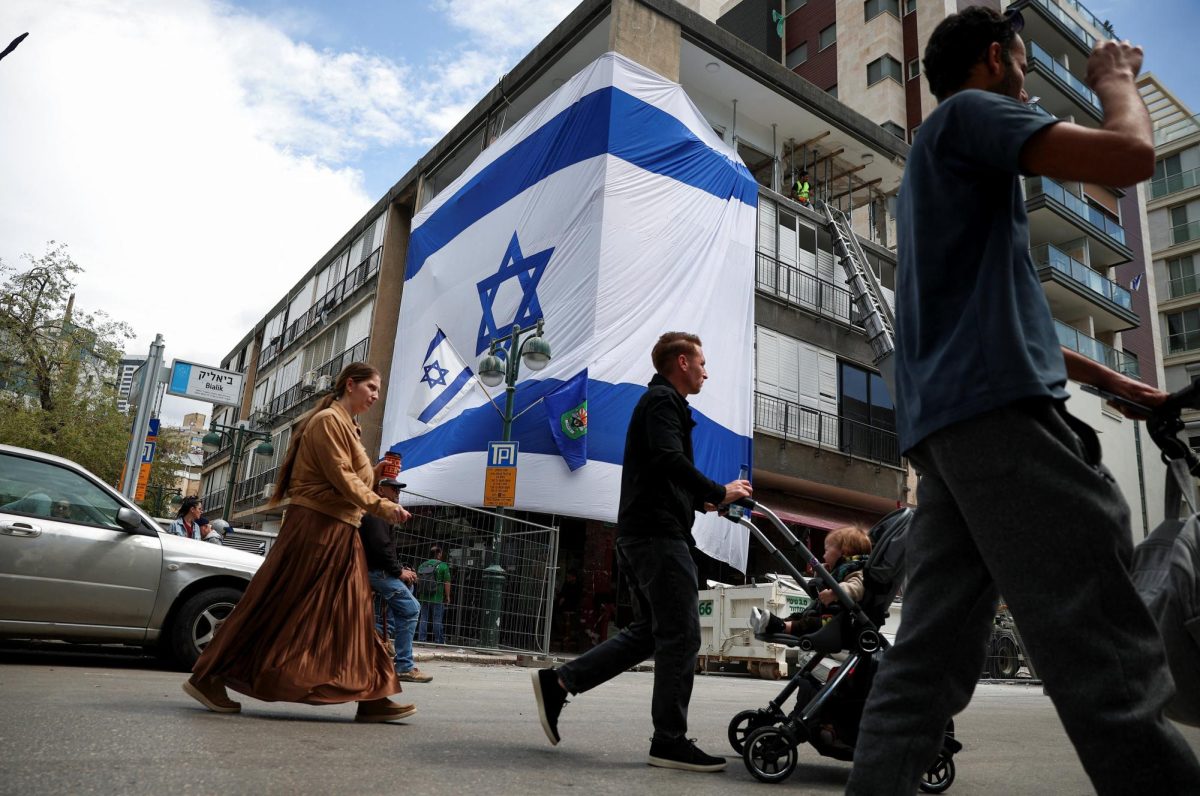

Outrage has erupted among Israelis regarding Haredis’ avoidance of mandatory army service, who have claimed they are the exception to the law.
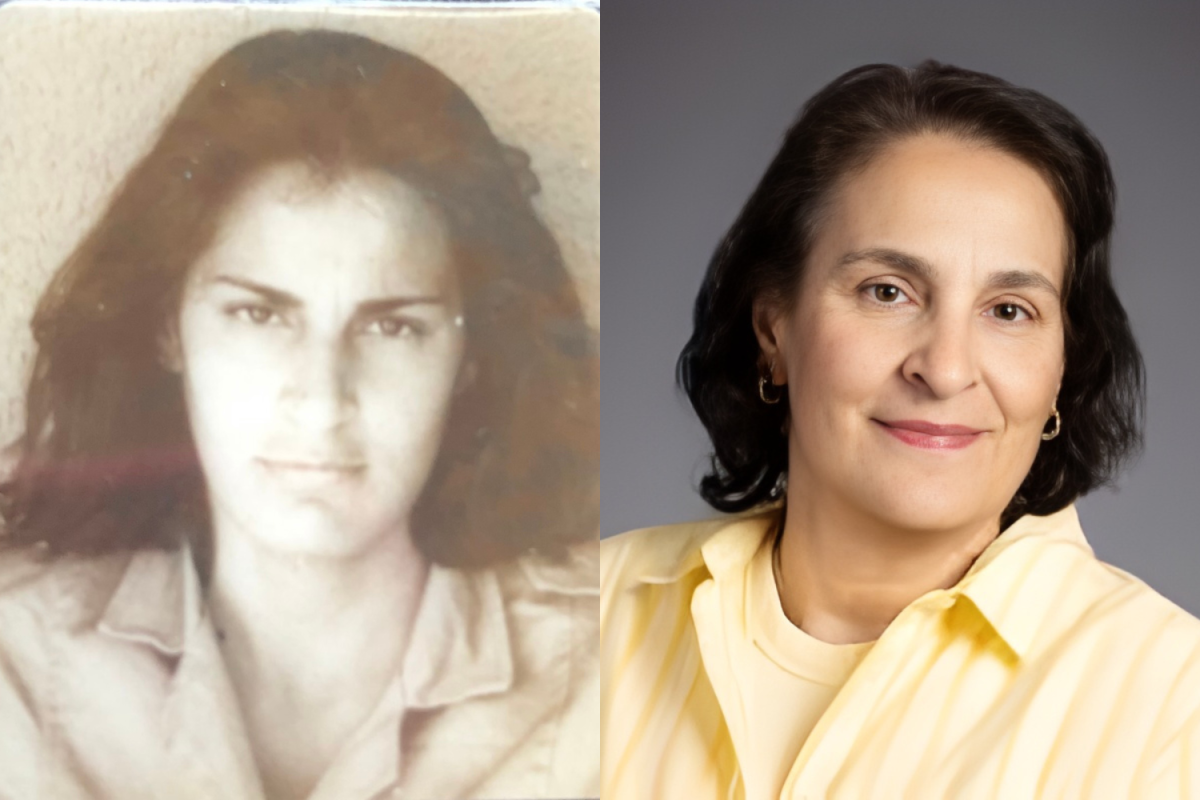
GOA Hebrew teacher Morah Keren, an Israeli Veteran, said that she deeply respects Israeli soldiers, while acknowledging the Haredim and hoping for a “solution that is sensitive to all groups in Israel.”
The Knesset passed the Defense Service Law in 1979, establishing military conscription for all citizens. However, the majority Ultra-Orthodox Jews in Israel have adamantly avoided their mandatory service in the army for decades, claiming their lives should be dedicated to Torah study.
Only 2 percent of Haredi men receiving draft notices actually enlisted as of April 2025, according to Lt. Col. Avigdor Dickstein, head of the Haredi branch of the IDF’s Personnel Directorate.
Many Israelis feel severely offended, especially due to the military strain and recent necessity of additional soldiers in the Gaza Strip. They believe it is unfair that while Israeli sons and daughters risk their lives for the wellbeing of the country, Haredim take advantage of the free protection without contributing to the army.
“The fact that the Haredim aren’t willing to protect their own country when everyone is obligated to is blatantly unfair,” said Israeli freshman Tamar Ashkenazi. She believes in equal participation “regardless of their level of observance,” and that it is even a Jewish obligation to protect one another.
Despite the recent bill explicitly requiring Haredi enlistment, loopholes continue to be sought out. As a result, there are currently approximately 80,000 Haredi men ages 18 to 24 in yeshiva who are not enlisted in the IDF despite being required to.
After October 7, Israelis voiced a newfound hope that the Haredim would realize the distressed state of Israel and cease their social isolation to support the army, wanting a unified nation in which conscription fairly applies to every citizen.
“As a religious person and a believer, I view Torah study as a value of utmost importance. Yet the war that began on October 7 has underscored the critical need for every group in our society to share the burden, to take part genuinely in the long, grueling effort required to sustain a Jewish and independent state,” said Oded Ravivi, a Times of Israel critic.
The Haredim view their spiritual study as protection for the state in itself, claiming their dedication to Torah is equivalent to army service.
The Haredi avoidance of the army is an issue that was first introduced by Prime Minister David Ben-Gurion, when he implemented a deal with Haredi communal leaders to exempt those who are dedicated to religious practices during the War of Independence in 1948, recognizing Torah as an occupation.
“They have too much power in the Israeli parliament to not be required to participate in military service like the rest of the country,” said senior Yael Benzaquen.
Junior Sagan Shapiro disagreed. She sai, “The Haredi’s avoiding mandatory army enlistment is fine. Due to the small percentage of the Israeli population not serving in the army, it is unimportant in the grand scheme of things.”
In 1977, the Knesset removed the limit on how many ultra-Orthodox Jews exempt from their military service under Prime Minister Menachem Begin.
The turning point began through the Rubinstein v. The Minister of Defense case of 1988 in which it was ruled that the Haredim had no right to be exempted from conscription.
The Supreme Court President Aharon Barak claimed that “the current situation, in which a significant portion of these individuals of service age do not risk their lives for the security of the State is very discriminatory,” referring to the crisis as a violation of equality.
Through the 2010s, the ultra-Orthodox were met with a specific quota of enlistment that was not heavily enforced, and therefore, not met.
Additionally, in 2015 the Haredi parties returned to parliamentary power, complicating the situation further.
The debate continued, switching between the allowed exemption and forbidding it, leaving both sides desperate for a solution.
In 2017 until mid-2023, it was ruled that the Prime Minister had the authority to exempt Haredi men from their conscription. This system required Haredim to remain in yeshiva until the age of 26 in order to permanently exempt them from service.
Once the 2024 bill requiring Haredim to enlistment was implemented, the ultra-Orthodox Israeli community was enraged. Conflicts continue between Haredi sects and secular Israelis, while Haredim continue to avoid their mandatory services.