
Choosing a school is an important decision for families.
For Jewish families, two common options are public schools and private day schools, both offering their own benefits and downsides. Understanding their differences can help families decide what environment best fits their values and goals.
First, while both options provide a strong education, they are different in how families are supported, what students learn, what the schools value, and the kind of environment they offer.
The environment in public schools is usually very diverse because students come from many different backgrounds and religions, making Jews only a small fraction of the student body. This diversity allows students to explore different cultures and social groups, but it can also feel very isolating.
Sophomore Emily Himber said, “Being a Jew in a public school was difficult because in some way I felt out of place. I couldn’t eat the majority of the food in the cafeteria, I couldn’t celebrate holidays with my friends, and sometimes I faced discrimination for my Jewish identity.”
When switching from public school to private school, it could be a hard adjustment. However, this was not the case for Sophomore Tara Langer. She said, “ The community is so welcoming and made this switch really enjoyable.”
Additionally, Junior Tali Herbert, who transitioned from public school to GOA in 9th grade, said, “GOA has such a warm community that by one week of school, I already felt like I had known my classmates, teachers, and teammates since preschool.”
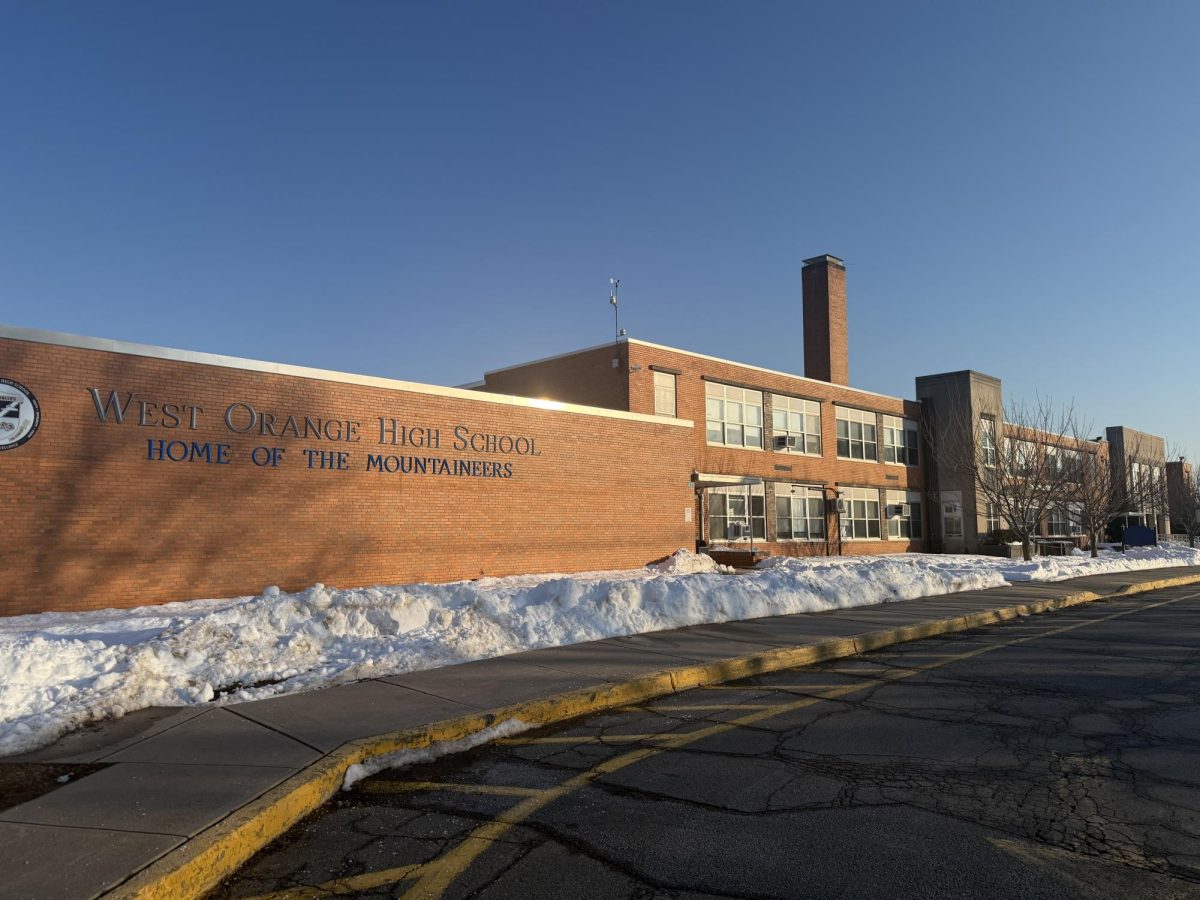
Public schools are funded by the government, mainly through taxes, making them free for students to attend. Because of this, they must follow state standards and testing requirements, ensuring a consistent curriculum.
In contrast, Jewish private schools are funded through tuition paid by families, donations, and sometimes supported by local Jewish organizations. This means that attending a Jewish private school can be expensive, but it also often allows for smaller class sizes and more personalized attention from teachers.
Public schools focus on general subjects like Math, Science, English, and History, following state education standards to prepare students for college.
Jewish private schools include these core subjects but also emphasize Jewish studies, Hebrew language, and religious practices. Students at Jewish private schools learn Torah, Jewish history, and how to practice Jewish traditions, giving them a stronger sense of cultural and religious identity alongside their academic education.
Another difference is the number of students. Public school classes normally range from 200 to 1,000 per grade, because they are designed to serve all children in a district.
At a Jewish private school, there are typically much smaller grades, ranging from 20 to 40 students. This smaller number allows teachers to know students better, build closer relationships, and give more personalized support.
Both schools offer sports, clubs, and arts programs for children of all different interests.
Public schools definitely have more options because they serve a larger number of students, but private schools often have specialized programs or more resources for extracurricular activities.
Choosing between a public school and a Jewish private school depends on a family’s priorities, budget, and educational goals. Both types of schools have so much to offer for every single student, and in the end, understanding what fits your family’s values and the differences between the two schools can help families come to the best decision for their child.