
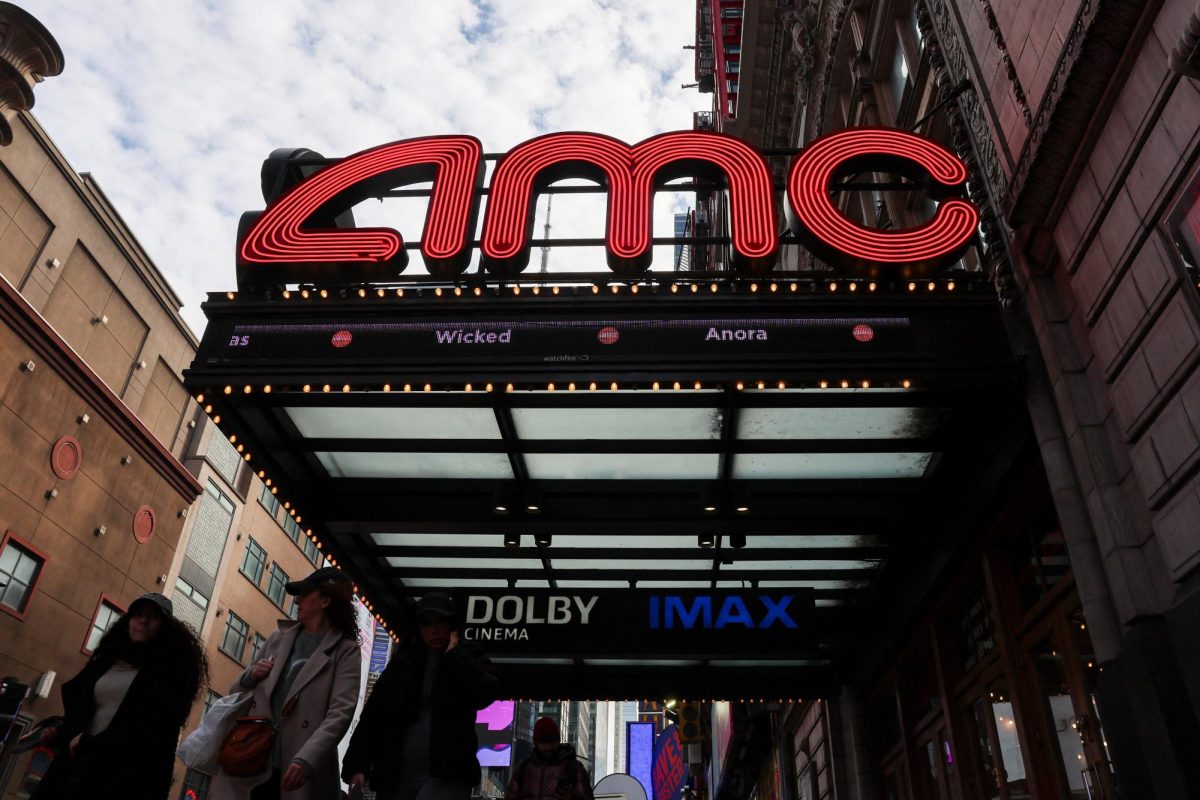
For decades, movie theaters were central to community life, as they were places where people gathered and where cultural moments were shared. However, in recent years, streaming services have been destroying theaters and bringing the rest of the industry with them.
Theaters, especially small, locally-owned theaters, are vital to a community, giving friends and family a place to come together and enjoy dynamic art. They also serve as a meeting ground where people with common interests are able to meet.
Streaming services cannot reciprocate this feeling, and with the theaters closing, people are left with something missing.
Sophomore Joey Sherman said, “One of my close friends and I would always go to our local theater together. However, it was forced to shut down.”
Streaming started emerging in the mainstream in the late-2000s but did not become the major form until the mid-2010s. It officially took the top spot during the COVID-19 pandemic, leaving people unable to go to the theater and resorting to streaming.
People have gotten used to staying at home and prefer streaming. According to Associated Press and AP-NORC Center for Public Affairs, only three out of ten Americans now prefer to watch movies at the theater.
Sophomore Noah Cytrynbaum said, “Especially with the Gold Rush of streaming that began during COVID, from outside, it seems like theaters have been crushed by the convenience and comfort of streaming.”
A basic subscription to the three largest streaming services, Netflix, Disney+ and Amazon Prime costs about $35 per month.
The average movie ticket costs about $15 and concessions can cost an additional $20. If you are in a large group or family, they can easily exceed over $100 just to watch one movie.
With streaming, you would spend $35 and have access to thousands of movies and TV shows that you could watch on your phone in any location. At the theater you are restricted to one spot.
This discourages people from seeing new-releases in theaters because if they dislike the movie, the time and money feel wasted. If they were to wait until the streaming release of the movie, it feels safer because they can turn off the movie without feeling like they wasted any money.
According to The Hollywood Reporter, between 2019 and 2022, the number of theaters in the United States decreased from approximately 41,000 to 39,000. This amounts to over 2,000 screens.
With less people coming to theaters, nationwide they have been either finding ways to increase attendance or to close altogether.
Some theaters host anniversary events or re-runs to get loyal fans to watch for a special experience.
During February, Regal Theaters had special reruns of select movies like The Notebook (2004) and Eternal Sunshine of the Spotless Mind (2004) which both have large, dedicated fanbases and are guaranteed turnout from theaters. New releases pose a financial risk because theaters cannot predict if a film will succeed or not.
Streaming is also affecting how movies look.
Studios are choosing to format films to cater to phones and computers rather than a large theater screen. Films are less suited to be watched on a theater screen.
Audiences also are noticing how the quality of films look different.
When the trailer for The Devil Wears Prada 2 (2026) was released, fans noticed the lighting was dull and sterile. This sterile lighting, often called “Netflix lighting,” reflects how the movie is being made for computer screens and streaming
In comparison, the original film, The Devil Wears Prada (2006) was shot on film featuring warm, cinematic lighting.
TikTok user @miistaplaza said, “The Netflix lighting makes me feel like I’m ‘too involved’ in the show if that makes sense, kinda makes it hard to enjoy because I can see the actors acting and it’s weird.”
Even though it is less convenient, being able to focus on one movie in a designated place for a few hours allows you to build a deeper connection to the movie. With streaming, movies become background noise amongst other distractions at home.
Movie theaters remain the most powerful way to watch movies. If we don’t continue supporting our local theaters, they may become relics of the past.