

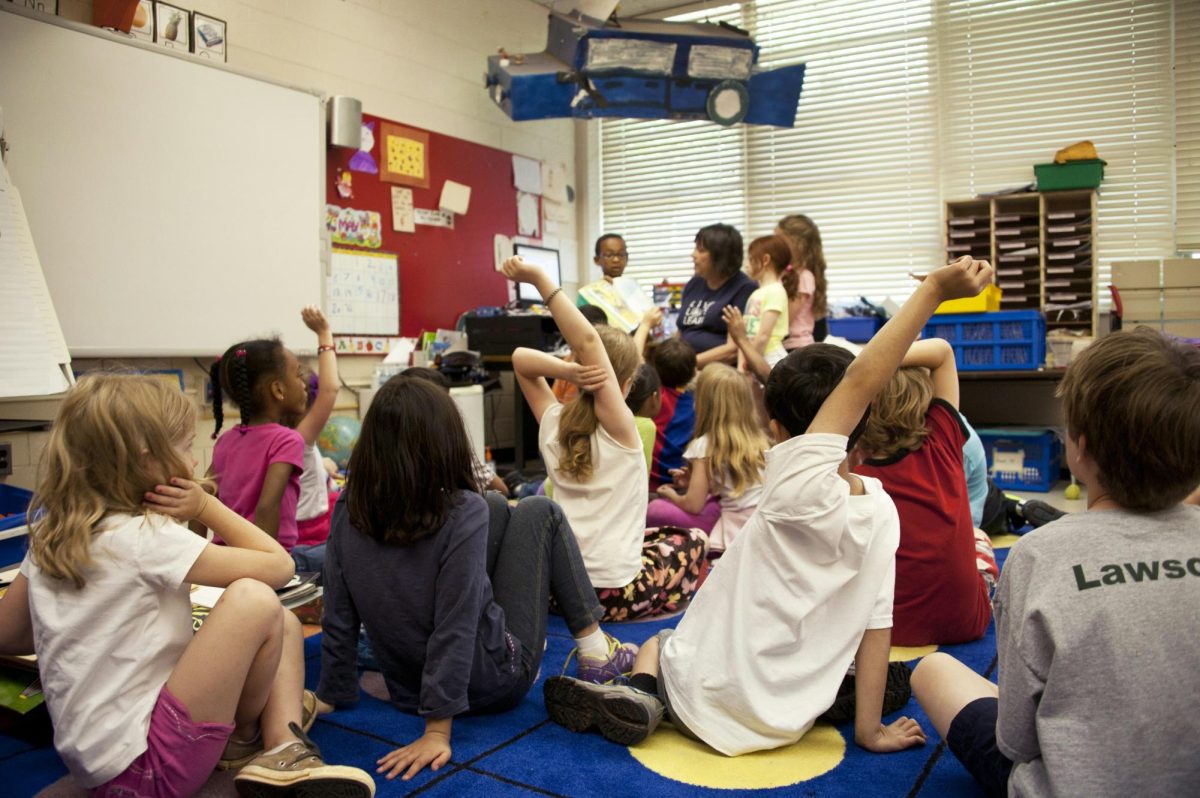
Schools across the world may teach the same subjects, but the classroom experience can be completely different depending on the country. From teacher expectations to daily routines, Israeli schools and American schools approach education very differently.
One major difference is the final objective that students work toward.
In the United States, high school is often centered around college.
Students frequently talk about college as the final destination, and it is common to hear students say, “I’m going to participate in this because it looks good on my application.”
As a result, much of the American high school experience is built around grades, standardized tests, extracurriculars and clubs.
“It feels so stressful knowing the decisions or mistakes I make now can impact my future. I wish I could spend more time doing things I’m genuinely interested in instead of worrying about whether it’ll impress a college or not,” said GOA sophomore Anabelle Silva.
In Israel, however, college or university feels much farther away.
Between high school and higher education, most students serve two to six years in the Israeli Defense Forces. Because of this, high school feels less centered around grades alone.
Students still take standardized tests, but there is generally less stress surrounding every score. Instead, many students focus on choosing subjects they enjoy, similar to picking a major, and preparing for a meaningful role in the army.
“In Israel, school feels more like preparation for real life than a competition over grades,” said Abigail Kazael, a high school sophomore in Israel. “You’re encouraged to think about what you’re good at and how it might matter later, especially in the army.”
Thinking ahead to the army often shapes how students approach high school and the choices they make.
“When I chose my majors, computer science and Arabic, I mainly considered how they would help me secure a strong role in the army,” said Israeli high school junior Talya Pocus.
Daily routines also highlight how different the two school systems are.
In many Israeli schools, students attend classes on Sundays and finish the school day much earlier during the week, usually around 1:30 or 2:30 PM.
With this schedule, students often eat breakfast at school and return home for lunch instead of eating a full meal on campus.
The shorter school day leaves more time in the afternoon for studying, spending time with family or participating in activities outside of school.
In American schools, the day lasts much longer and students usually eat lunch at school.
“I feel like our long days are annoying, but it also gives us time to learn more material and build relationships with our classmates,” said GOA sophomore Salomon Messulan.
One major strength of American schools is the wide variety of clubs, sports teams and programs offered directly through the school, giving students many chances to explore different interests.
“I like how many opportunities there are here,” said 8th grader Avshalom Gefen, who moved from Israel. “You can try so many activities without having to go outside of school.”
American schools also tend to offer more built-in academic and emotional support, including guidance counselors and close relationships with teachers, which most Israeli schools lack.
Both systems have strengths. Israeli schools often promote independence and choice, while American schools excel at offering structure, support and opportunities for exploration.