
Lorde’s Loud Silence: Removes Music From Israeli Spotify
By Tamar Ashkenazi ‘29
In October 2025, Lorde removed all of her songs from Israeli platforms and streaming services, as part of the “No Music For Genocide” initiative, aiming to isolate Israel in response to Israel’s actions in Gaza.
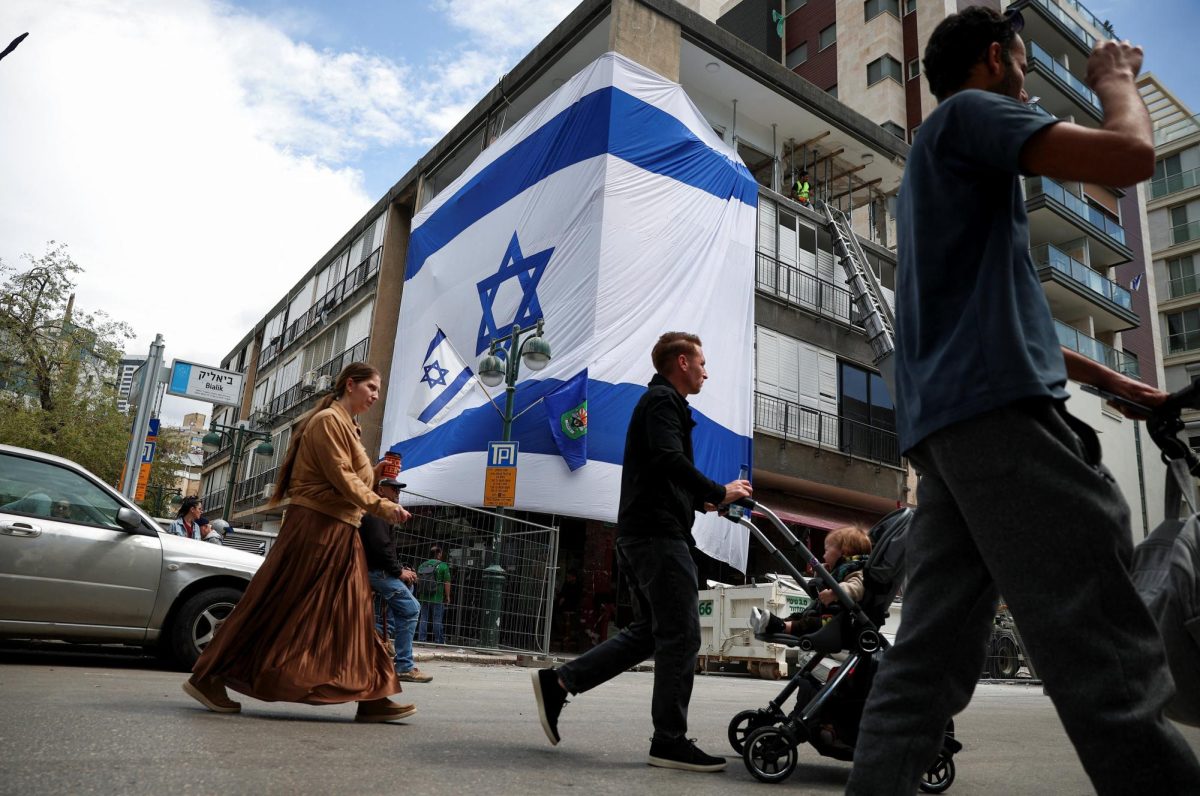
The removal has triggered a tidal wave of reactions from Jewish and Israeli listeners across the world.
Lorde joined the over 1,000 other artists in the “No Music For Genocide Movement,” aligning with their goal to “delegitimize Israel” and facilitate a “cultural boycott” of Israel, according to their website.
Before 2025, when this outright hostility toward Israel began, Lorde adopted a more reserved approach.
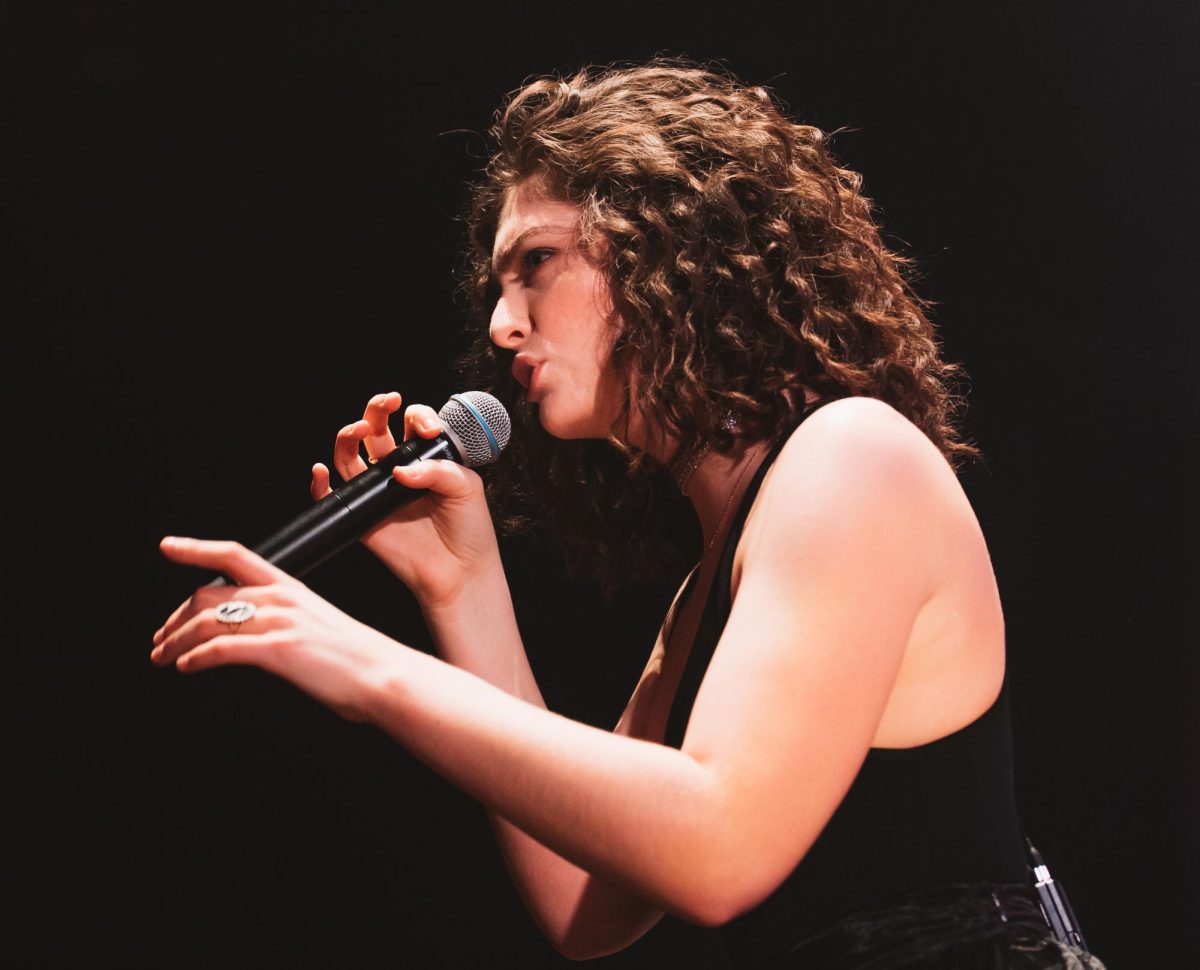
Ella Marija Lani Yelich-O’Connor, known by her fans as Lorde, is a critically acclaimed New Zealand singer-songwriter known for her unique voice and introspective pop style. She reached global stardom at age 16 with her hit “Royals” in 2013.
Unbeknownst to all, Lorde’s artistry would become a platform for protest.
Beginning as merely controversial in 2018, Lorde abruptly cancelled her show in Tel Aviv, later labeled a ‘bigot’ as a result by an ad in the Washington Post, according to the BBC.
Outraged fans began to question her sudden decision.
Two New Zealand-based fans, Justine Sachs and Nadia Abu-Shanab, who were campaigning against Israel’s “occupation of Palestine”, sent Lorde a letter, urging her not to perform in Israel at the time.
“Playing in Tel Aviv will be seen as giving support to the policies of the Israeli government, even if you make no comment on the political situation,” said Sachs and Abu-Shanab in the letter, according to the Spinoff.
Lorde later announced that she would not go ahead with her planned June performance in Tel Aviv.
“I pride myself on being an informed young citizen, and I had done a lot of reading and sought a lot of opinions before deciding to book a show in Tel Aviv,” said Lorde in a statement at the time. “But I’m not too proud to admit I didn’t make the right call on this one.”
By implying her opposition to Israel’s government and policies, critics called on her to address the growing speculation that she harbored prejudice against the Jewish state.
Some went further, accusing Lorde of inconsistency in her activism.
In a full-page advertisement in The Washington Post, they argued, “Lorde joined a global anti-Semitic boycott of Israel but will perform in Russia, despite Putin’s support for Assad’s genocide in Syria.”
Lorde provided no comment.
The controversy that began in 2018 had snowballed until it finally peaked years later when Lorde took action against Israel once again—this time removing her music from Israeli platforms.
GOA alumnus Yehonatan Ashkenazi said, “It’s performative because celebrity is image; they curate their image to please a demographic. At the end of the day, she can always put her music back on Spotify. I don’t get upset over a few songs being removed—it’s ridiculous how much people act like it changes anything.”
Israeli fans took to social media to voice their outrage and confusion. Few expressed feeling personally targeted, while most indifferently criticized Lorde’s actions as performative but ultimately ineffective.
Music and pop-culture journalist Eve Barlow responded on X, writing, “Literally every Israeli’s reaction to Lorde et al ‘geo blocking’ their music from being able to be streamed in Israel: ‘Good we don’t listen to your s*** music anyway,’ Am Yisrael chai.”
While Israeli fans were dismissive, Jewish-American listeners approached the situation from a different angle, expressing discomfort and shame towards Lorde.
The controversy reached another peak during one of Lorde’s 2025 concerts at Madison Square Garden in New York City.
Freshman Hallie Mann said, “I was at the concert that night, and as a Jewish fan of Lorde, it was exciting at first. But when the stage lighting became the Palestinian flag colors, and she screamed, ‘Free f***ing Palestine!’ I was instantly shocked and upset. She’s one of my favorite artists, and hearing the crowd cheer made me feel uncomfortable and disturbed. It definitely changed the level of respect I had for her.”
Meanwhile, Lorde’s concert provoked a flood of angry and sarcastic comments on a Facebook thread from October 3, 2025.
Some users jokingly demanded that she remove her “migraine-inducing” music from their countries as well, expressing disbelief that she “rewarded” Israel in this way.
Many criticized her music itself, calling it “garbage” or dismissing her as a one-hit wonder from over a decade ago.
Ultimately, Lorde’s decision reveals less about streaming platforms and more about the complex functions of art, identity, and politics.
For some Israelis, the music removal and outright opposition were laughable. For others, especially Jewish listeners abroad, her behavior felt shocking, offensive, and even personal.
Yet, as the backlash and counter-backlash continue, one question lingers: When celebrities and artists take political stands, are they cultivating meaningful change, or merely intensifying division?