
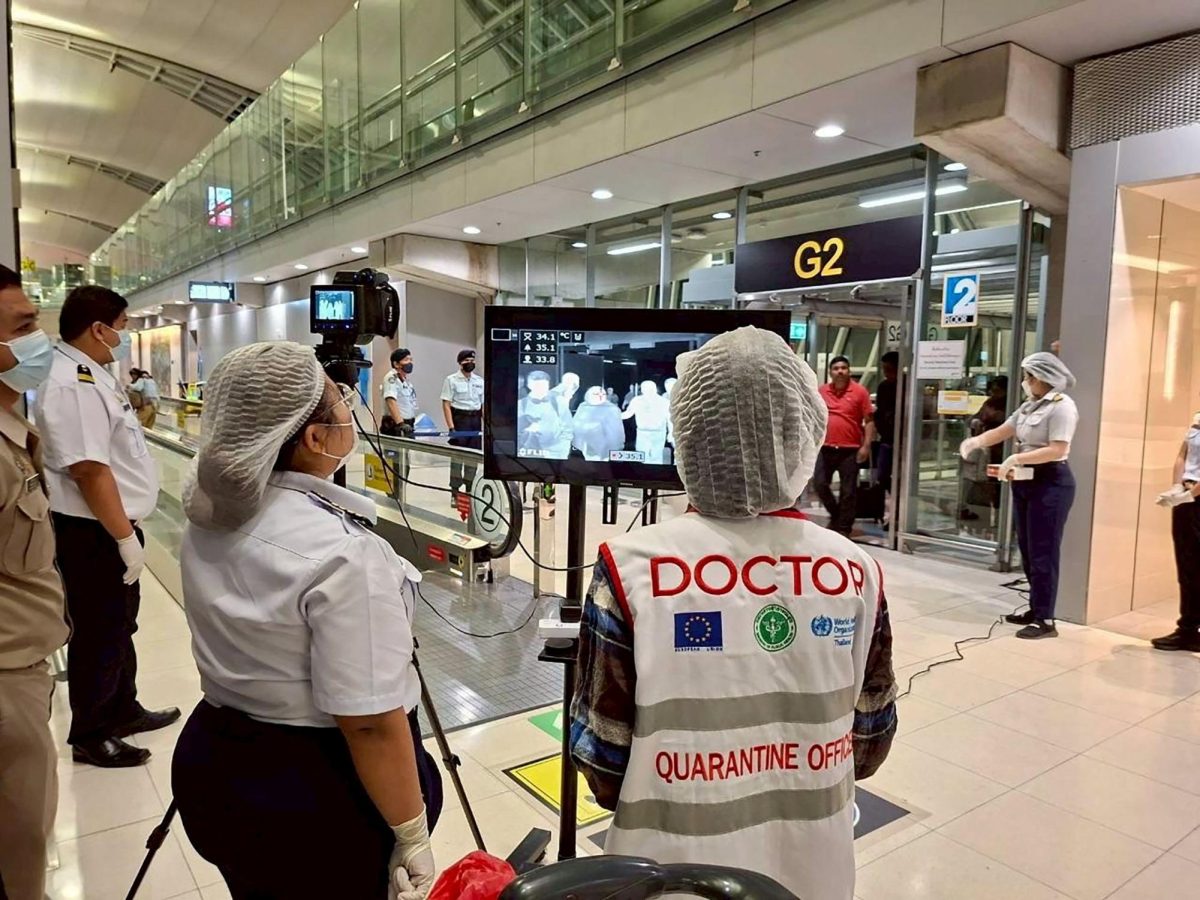
Health care workers across the world faced unprecedented physical and emotional challenges during the COVID-19 pandemic, balancing demanding hospital shifts with personal sacrifices.
The pandemic intensified an already difficult profession, pushing nurses, doctors and medical staff to place patient care above their own well-being and family life.
Many spent countless hours inside hospitals as patient numbers surged and resources became increasingly strained.
For Bianna Eskin, parent of junior Mia Eskin (author of this article) and 7th grader Jonah Eskin, working as a health care professional during the pandemic reshaped not only her career, but also her family life and sense of identity.
During the height of the crisis, Eskin worked exhausting shifts filled with unpredictability and emotional strain.
“A typical workday didn’t really have an end. It felt that some days the hospital became my entire world,” said Bianna Eskin.
Within months of the pandemic, patients filled rooms rapidly, and resources were stretched thin. Many nurses witnessed hundreds of losses on a daily basis, something that took a lasting emotional toll on many.
7th grader Jonah Eskin shared, “My mom would share with me that seeing people die every day was heartbreaking; she always mentioned that these deaths stayed with her far beyond the workforce.”
While the hospital demanded nearly all of the nurse’s energy, home life was normally just as challenging.
While the emotional toll at work was immense, home life presented its own challenges.
Many nurses, including Eskin, made the painful decision to distance themselves from their families out of fear of bringing the virus home.
Bianna Eskin said, “It was heartbreaking to be away from my kids for months. As a parent, you always want to protect them, and during that time, protecting them meant staying away. I was gone for nearly four months.”
Strict safety measures became routine for health care workers, from immediately changing clothes after shifts to limiting physical contact with loved ones.
The fear of exposing family members to the virus was constant and weighed heavily on many workers’ mental health.
The pandemic permanently altered how many health care workers view their profession, highlighting the importance of mental health support and recognition for those in the medical field.
Many hope the public remembers the sacrifices made behind the scenes during the crisis.
Junior Kayla Brach says, “Their dedication and sacrifice are truly something that should never be forgotten, and we should appreciate our healthcare workers every day.”
Stories like Eskin’s underscore a broader conversation about burnout, mental health and the ongoing need to support health care workers long after the pandemic’s peak has passed.
For many in the medical field, the emotional weight of the pandemic did not disappear when case numbers declined.
Witnessing loss, enduring isolation and working under constant pressure left lasting mental health effects that continue to shape health care workers’ lives today.
Advocates emphasize the importance of accessible mental health resources, reduced stigma and open conversations to ensure those who care for others are also cared for themselves.