
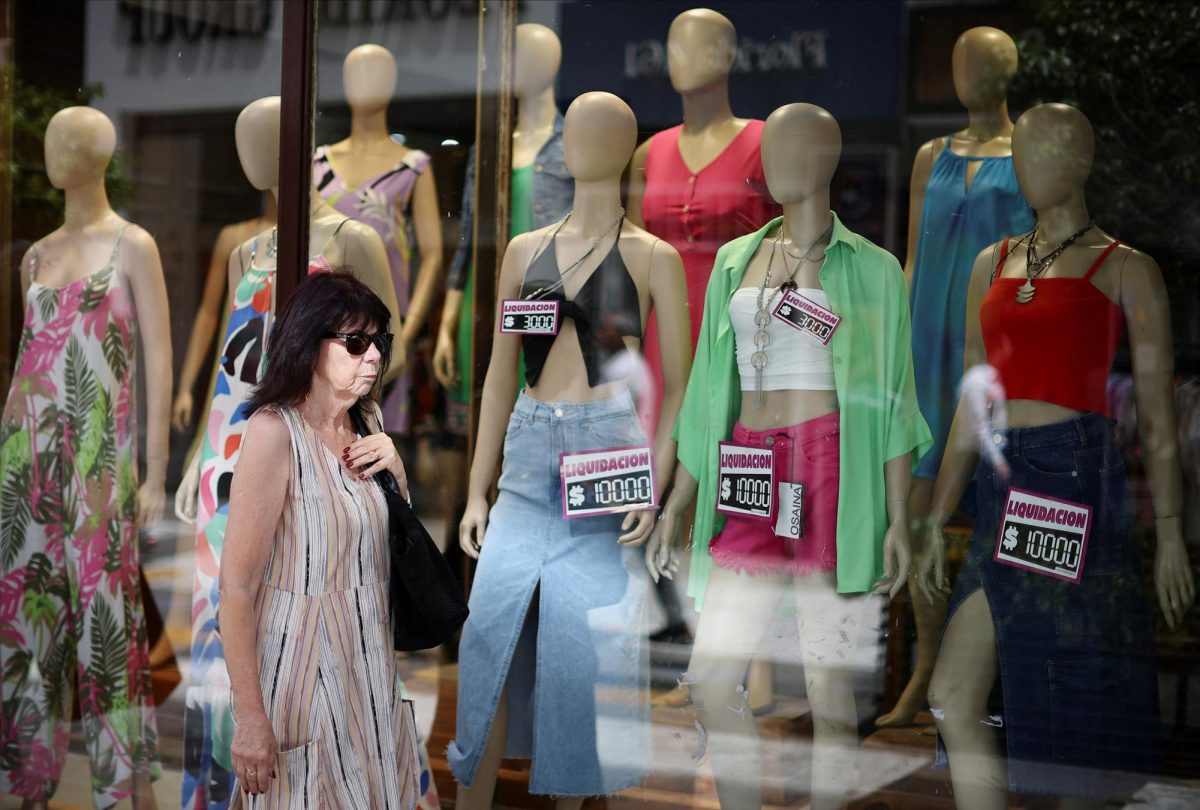
SHEIN, a China-founded online fashion retailer, has transformed the global clothing industry by popularizing “ultra-fast fashion,” a system that produces and ships new styles at unprecedented speed.
Fast fashion has altered the retail experience, production of the clothes and its effects on the environment.
Founded in 2008 and rising rapidly in the 2010s, SHEIN operates primarily online, reaching customers worldwide through low prices and near-instant trend replication.
“It’s impressive to see where we’ve come with technology and how it’s integrated into our economy, but my kneejerk reaction is to think of how scary it is, considering how much of your purchasing choices are viewed and used,” said sophomore Noah Cytrynbaum.
SHEIN employs data analysis, algorithmic design and numerous independent factories to distribute new products within a few days.
Unlike traditional fashion brands that release seasonal collections, SHEIN uploads thousands of new items daily.
They make predictions about fashion trends using data inputs of online searches, clicks and purchases. They offer items in limited quantities. If the items sell well, then SHEIN makes them again.
This model reduces unsold inventory and maximizes profit, allowing SHEIN to sell tops for a few dollars and dresses for under $20, sometimes only costing a few dollars.
However, the pace and scale of its production activities have raised considerable criticism against the fashion brand.
“When it comes to SHEIN, I don’t buy from them because of their unethical labor practices. The awful conditions that they keep their employees in have been well documented,” said junior Sagan Shapiro.
Labor rights activists and investigative journalists have noted poor working conditions in its supply chain with respect to issues such as child labor, long working hours, poor wages and lack of monitoring.
“I like that the clothes are cheap, but I don’t support SHEIN as a company because of the working conditions necessary to create the products so quickly,” said junior Naomi Allen.
Critics argue that SHEIN relies on thousands of unaffiliated factories rather than company-owned facilities; therefore, monitoring and control are difficult to sustain.
Another major issue with fast fashion is environmental impact.
The textile industry has already been identified as a significant environmental pollutant, and SHEIN’s fast fashion model is adding to this problem.
Cheap, trend-based clothing encourages overconsumption, with many items worn only a few times before being discarded.
Most clothing purchased at SHEIN is made of polyester or other synthetic materials that originate from fossil fuels. These materials produce microplastics that end up in water.
Junior Rachel Hyman said, “I used to order from Shein, but all their products ended up falling apart. While it’s cheap, it’s so low quality that the price is not worth it.”
Despite the criticism, SHEIN is extremely popular, especially among Generation Z. Its success is fueled by TikTok hauls, influencer partnerships and gamified shopping features within its app.
SHEIN’s rise has also disrupted the broader fashion industry. Traditional fast-fashion retailers like Zara and H&M now face pressure to accelerate their own production cycles to maintain market share.
SHEIN launches more than 6,000 products per day, 65 times more than Zara and undercut Zara’s prices by up to 60 percent.
Smaller fashion brands are struggling with the pace and affordability of ultra-fast fashion.
Critics have also accused designers of SHEIN of plagiarizing independent creations for low prices, veering from inspiration to potentially conflict with copyright.
Sophomore Anabelle Silva said, “I have seen many small business owners on social media claim that SHEIN has stolen their designs.”
As fast fashion becomes an increasingly popular trend, a slow fashion counterculture centered around ethical consumerism has begun to grow.
Second-hand shopping, swap sites for clothes, up-cycled items and supporting eco-friendly brands, have gained popularity, especially among the young generation concerned with eco-friendly policy.
While ultra-fast fashion dominates online shopping today, the debate it has sparked may ultimately push consumers and companies alike to rethink how clothes are produced, purchased and valued.