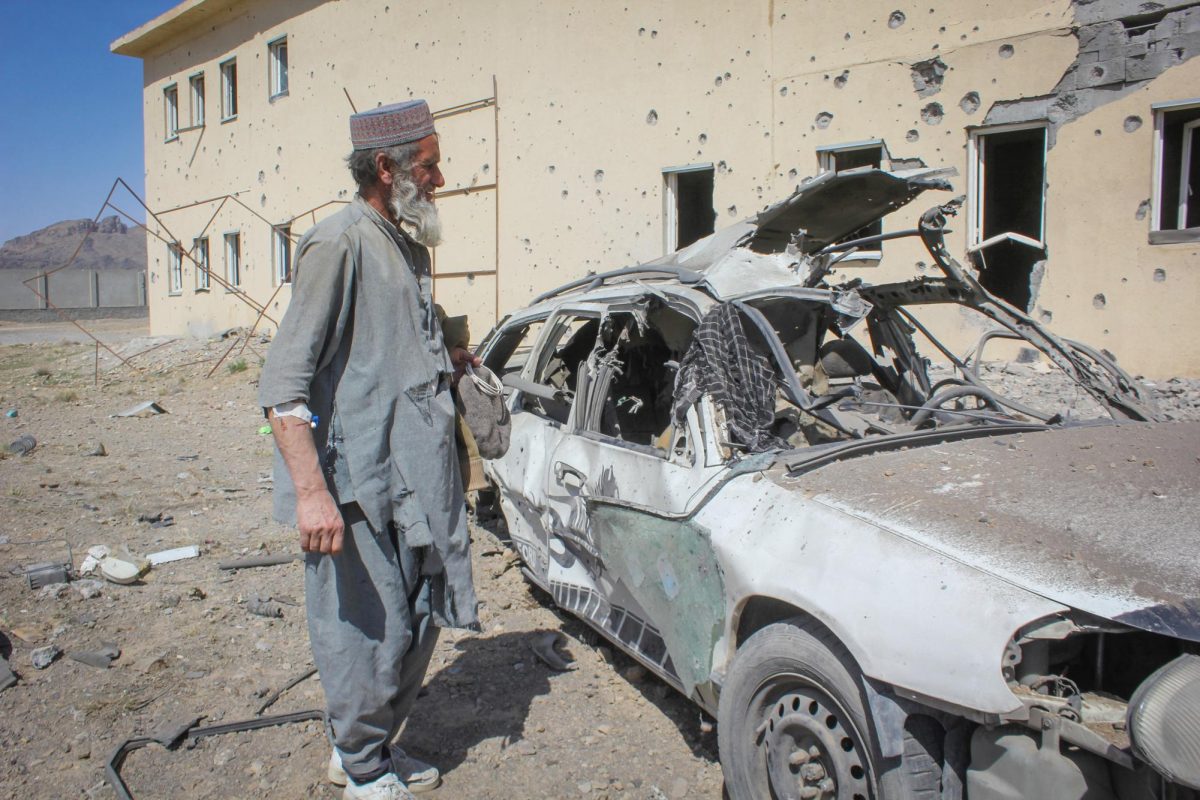

America’s war against the Iranian regime quickly began to affect the world economy, impacting companies, consumers and countries across the globe.
As the war hinders the oil market, the world’s energy supply is experiencing an oil shortage, creating an uncertain economy in countries far beyond the conflict zone, even in the United States.
Economists predict that this energy deficiency will lead to rising oil prices, increased inflation and slower economic growth.
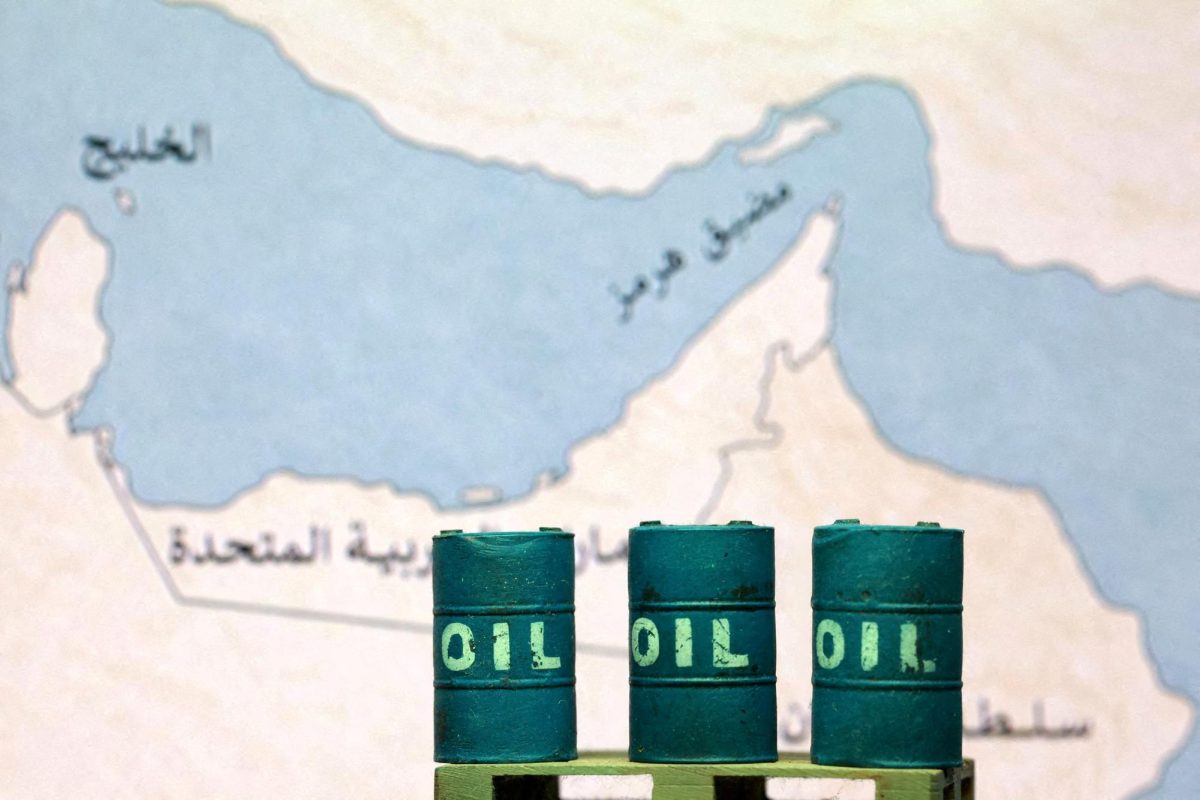
A major driver of the shortage is Iran’s position in relation to the Strait of Hormuz, one of the most important oil routes in the world. Approximately one-fifth of the world’s oil supply travels through the Strait of Hormuz, and Iran effectively blocked it when the war started.
Major oil exporters like Qatar, Kuwait, Bahrain and Saudi Arabia are unable to export their fuel because of the blockade.
Iran’s oil production also slowed following strikes on its energy infrastructure. Although Iran sells most of its oil to China due to economic sanctions from the West, less oil production causes higher prices, whoever is buying it.
The blockade of the Strait and Hormuz and the decreasing of oil production in Iran have caused an international oil shortage. Consequently, when the supply of oil lowers while demand stays the same, the price increases.
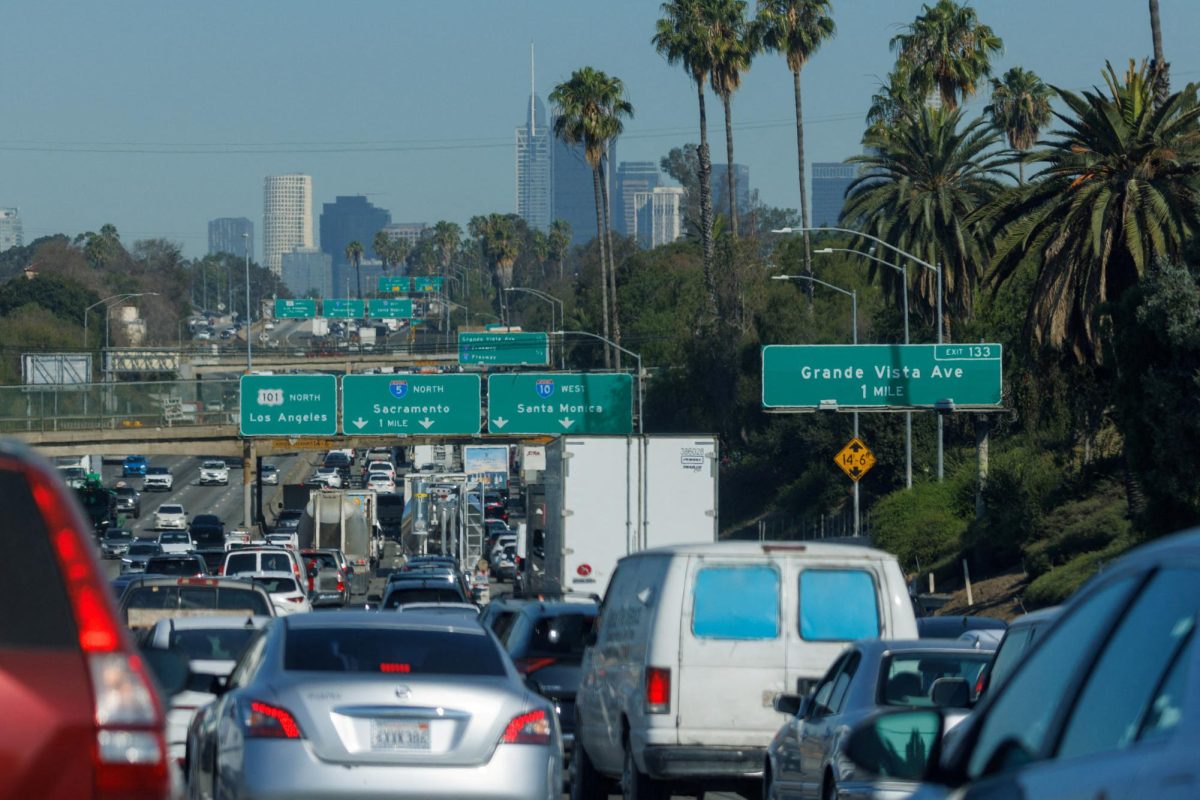
Junior Seth Perlstein said, “I haven’t filled up my gas in a while because the prices have shot up since the start of the war, and it costs way too much to fill up my car’s tank.”
The effects of the recent oil scarcity are already being felt through the financial markets of the world.
According to experts, surges in oil prices cause inflation and impact consumer spending, thus affecting the economy as a whole.
As the price of oil rises, transportation costs rise for companies who have to move their goods through the supply chain. These companies consequently charge more for their products, which range from electronics to groceries.
Experts fear that with rising costs, Americans will reduce their spending, leading to a ripple effect of economic decline.
Despite the economic challenges, some industries in the United States may benefit from higher energy prices. The United States is one of the largest producers of oil and natural gas in the world, so if prices remain high, domestic energy companies could increase production to alleviate the problem.
Noah Stoch said, “As someone who is very invested in the stock market, there have been a lot of positive trends as well as negative trends that have come from this war.”
This issue highlights the dangers that come with a globalized economy, as well as the economic ramifications of war.
According to experts, the long-term impact of the conflict foreign economies would depend on the longevity of the war and whether it spreads to other parts of the Middle East. If the shipping lanes continue to remain closed and oil production slows, it could continue and possibly worsen the shortage of oil in the world, affecting the growth of economies.