
Since the United States military operation that captured Venezuelan Former-President Nicholas Maduro, the country’s political and economic climate quickly began changing.
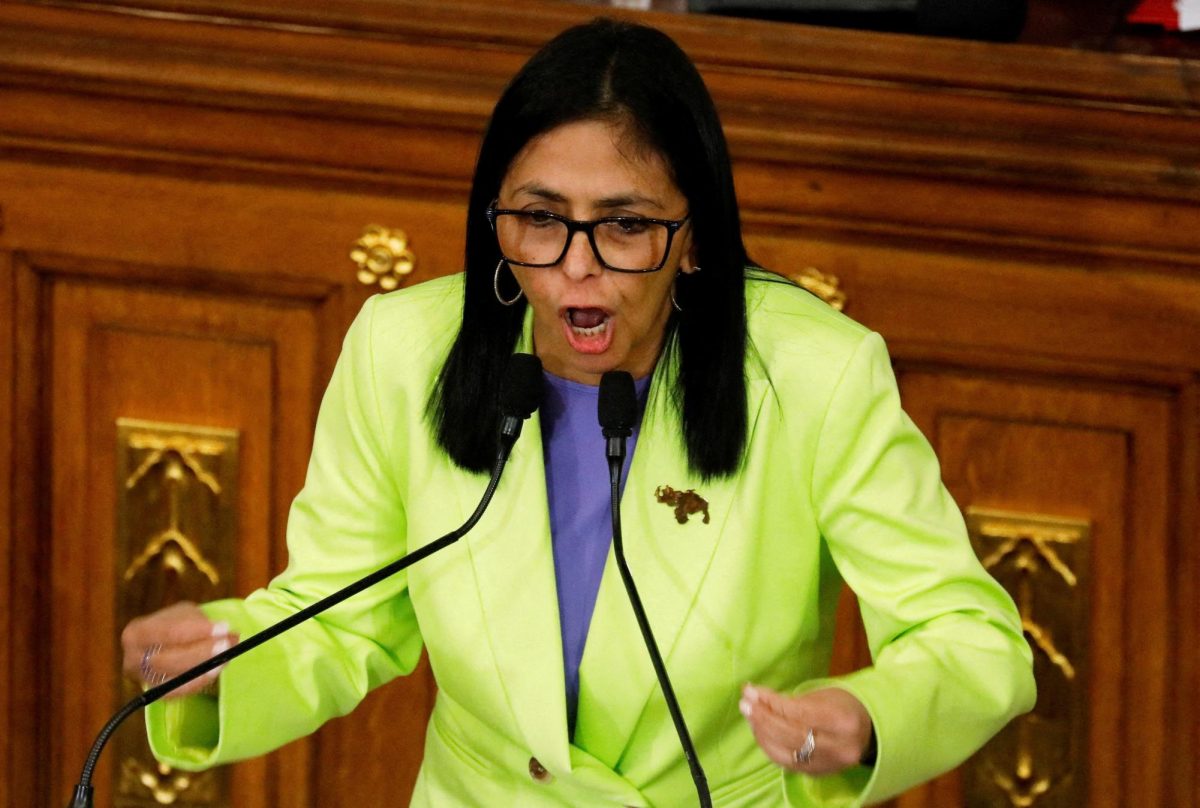
Within two days of Maduro’s capture, Vice President Delcy Rodriguez was sworn in as interim president by the Venezuelan Supreme Court and backed by the armed forces.
While the U.S. has taken a hard stance in trying to shape the country and its vital oil industry, Rodriguez showed her willingness to cooperate with the U.S.
However, she also said, “What is being done to Venezuela is an atrocity that violates international law.”
Sophomore Tara Langer said, “I’m not surprised given who our president is. Despite whatever pretexts the Trump Administration uses, the reality is that America attacked a peaceful country. Despite what benefits might potentially come out of it, our government had no right to attack theirs.”
Besides the diplomacy that has been conducted with the Trump Administration, the acting president has shown an interest in gaining legitimacy among her people. This includes the release of hundreds of political prisoners.
Many Venezuelans have held protests against the capture of Maduro, expressing their support for him, as well as their animosity towards the United States.
Opposition to Maduro have found the power shift to be a new opportunity to make change. They have long accused Maduro of being corrupt, including accusations of rigging the latest election and arresting political opponents.
Maduro led the country since 2013, when Venezuela’s economy began to collapse due to economic mismanagement. It is reported that between 2013 and 2020, the economy contracted by 80 percent, according to the International Monetary Fund.
Sophomore Logan Gladstone said, “I think it’s good that he got arrested given that he’s ruined his country. If he was still in power, things would continue to get worse.”
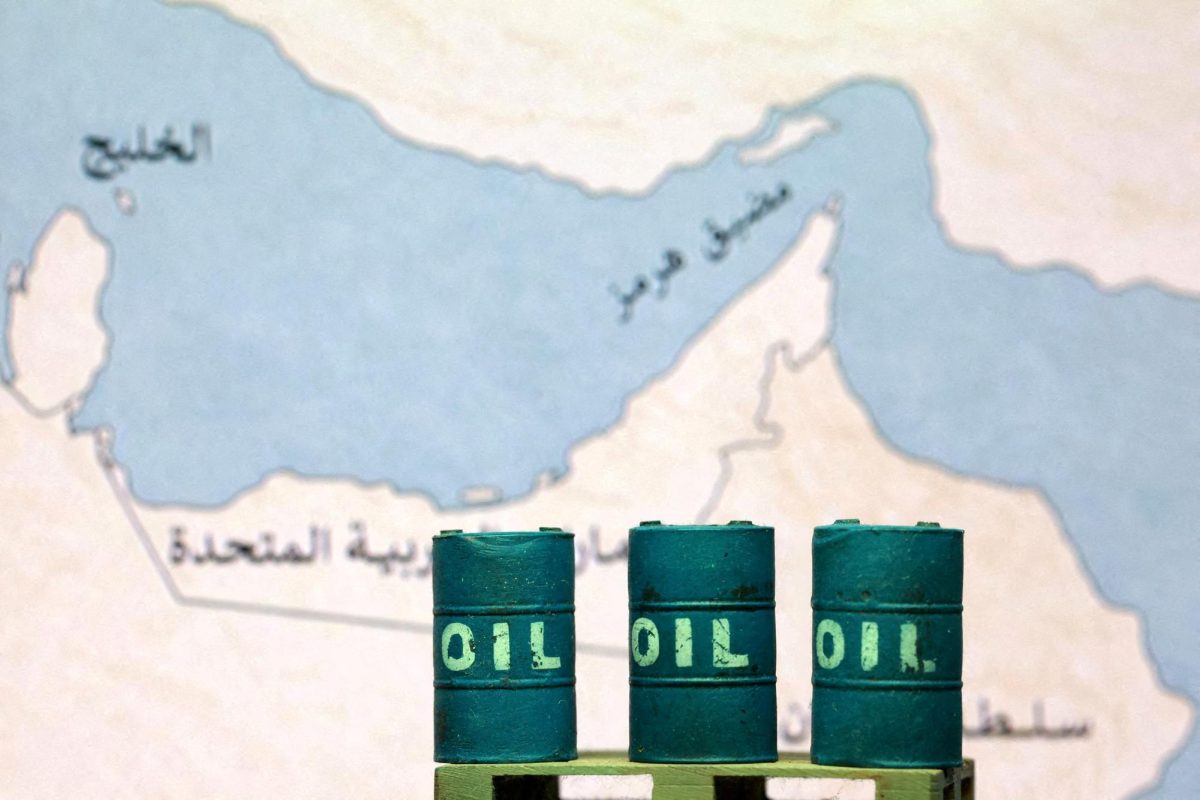
The U.S. has made attempts, so far successfully, to broker agreements to sell Venezuelan crude oil to American refineries. These sales have already surpassed one billion dollars, while another five billion are expected in the coming months.
Major oil companies like Shell and BP have been granted operating licenses in Venezuela with the aim of developing the damaged oil infrastructure.
According to the Library of Congress, “Since 2005, the United States has imposed targeted sanctions on Venezuelan individuals and entities that have engaged in criminal, antidemocratic, or corrupt actions. Under President Nicolás Maduro (2013-2026), the first Trump Administration expanded U.S. sanctions. The Biden Administration offered limited sanctions relief to try to incentivize Maduro to convene a free and fair presidential election.”
These sanctions have been eased in order to aid the revamping of the nation’s oil industry.
“The easing of sanctions makes the situation seem much more complicated,” said junior Violet Berman. “While the US attacked Venezuela to arrest its president, it also looks like America has the intention to help the country. We might be trying to exploit its oil, but it also seems to be intended to help Venezuela.”
Outside of the country, reactions have been mixed.
Venezuelans have rallied against Maduro with hopes of achieving a more democratic future for their country, many of which were forced to flee due to the humanitarian crisis there. However, many view it as an act of aggression.
All the while, Maduro has been held in custody in New York, where he pleaded “not guilty” to drug-trafficking, narco-terrorism and weapons offenses.
Despite such a devastating economic depression, Maduro managed to stay in power through a combination of corruption and undemocratic tactics. Therefore, with his disposal, and the possibility of wide political and economic restructuring, the future of Venezuela is still uncertain.