
Venezuelan president Nicolás Maduro and his wife were captured in a U.S. military operation in Caracas in early January.
President Donald Trump described the operation as a mission to bring Maduro to the United States to face criminal charges related to a 2020 indictment on narco-terrorism and cocaine trafficking.
Maduro pleaded not guilty, his lawyers arguing that as the head of a sovereign nation, he should be immune to prosecution, and that Trump’s actions are illegal.
Venezuelans have explained that Maduro’s presidency has changed Venezuela for the worse.
“Inflation went up badly under Maduro. I’ve heard of people who have moved to work in the U.S. for 6 months to a year and then move back, and it’s enough to support an entire family for a year or so because they’re in a depression,” said senior Yael Benzaquen, who has family in Venezuela.
Some Venezuelans celebrated the capture of their corrupt president, viewing it as an opportunity for a transition into a democratic and more stable political environment.
“This is not a matter of the U.S. coming in and taking our riches and taking our resources. This is about removing from office a group, and in this case, right now, the usurper president, and allowing, in this next phase, a space for a transition which will finally lead the road to our freedom,” said Gabriela Montero, a Venezuelan human rights activist, according to States Newsroom.
Others, including Americans and Venezuelan activists, warned that U.S. involvement could create complications that undermine Venezuela’s sovereignty and long-term recovery.
“Like this situation in Venezuela, America overthrew numerous leaders under the banner of democracy in the 20th century, like Vietnam or Iran. Those countries often ended up either resisting the U.S. under the banner of anti-imperialism or becoming much more unstable, while it was eventually discovered that America’s interests were mainly to exploit resources,” said sophomore Noah Cytrynbaum. “But I’m no historian, and I can’t say definitively what Trump’s motives are regarding Venezuela.”
In Washington, protesters rallied outside of the White House shortly after the operation, claiming the military action bypassed Congress and Trump’s actions are setting a precedent for unrestricted presidential power.
“I’m just really concerned about the military action on Venezuela. I think it should have gone through Congress, and the Trump administration took unilateral action and impacted the sovereign rights of another country,” said protestor Robbie McLuckie according to States Newsroom.
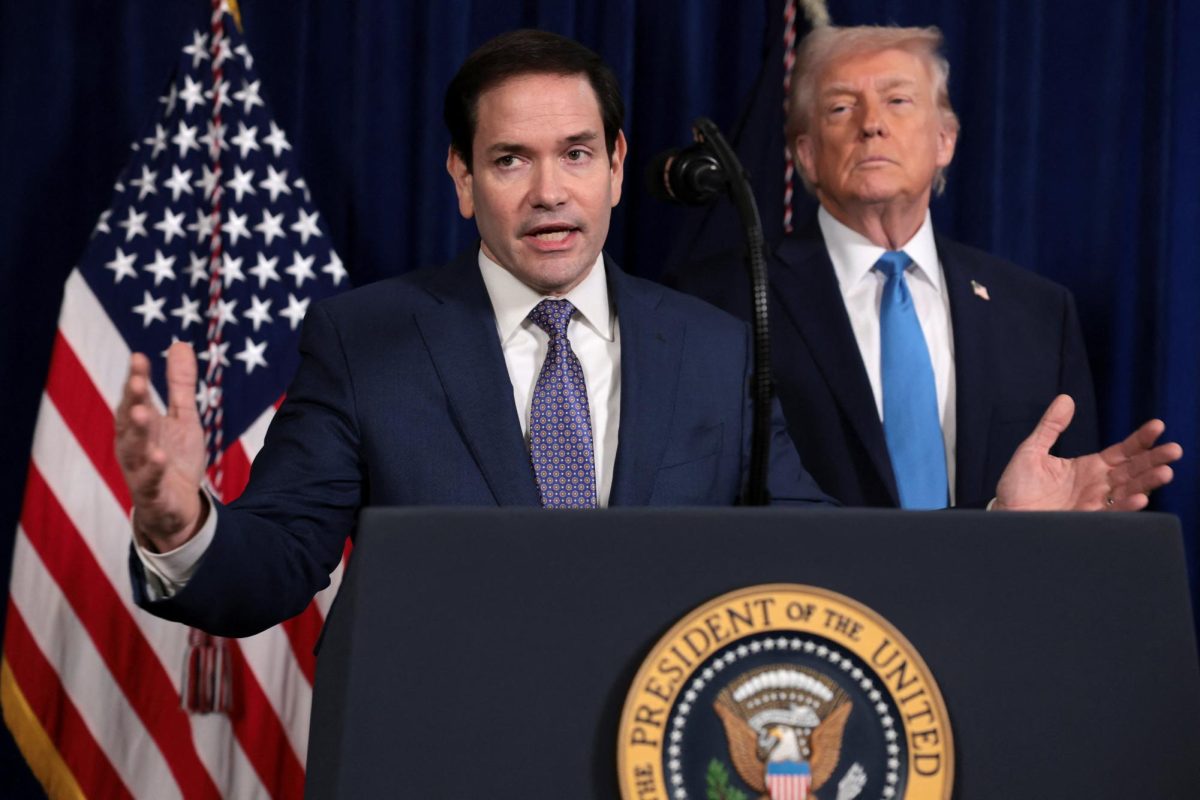
The operation was developed over months of planning, U.S. officials said. At a press conference, Trump said a U.S. team would oversee Venezuela “until such time as we can do a safe, proper and judicious transition,” according to CNN.
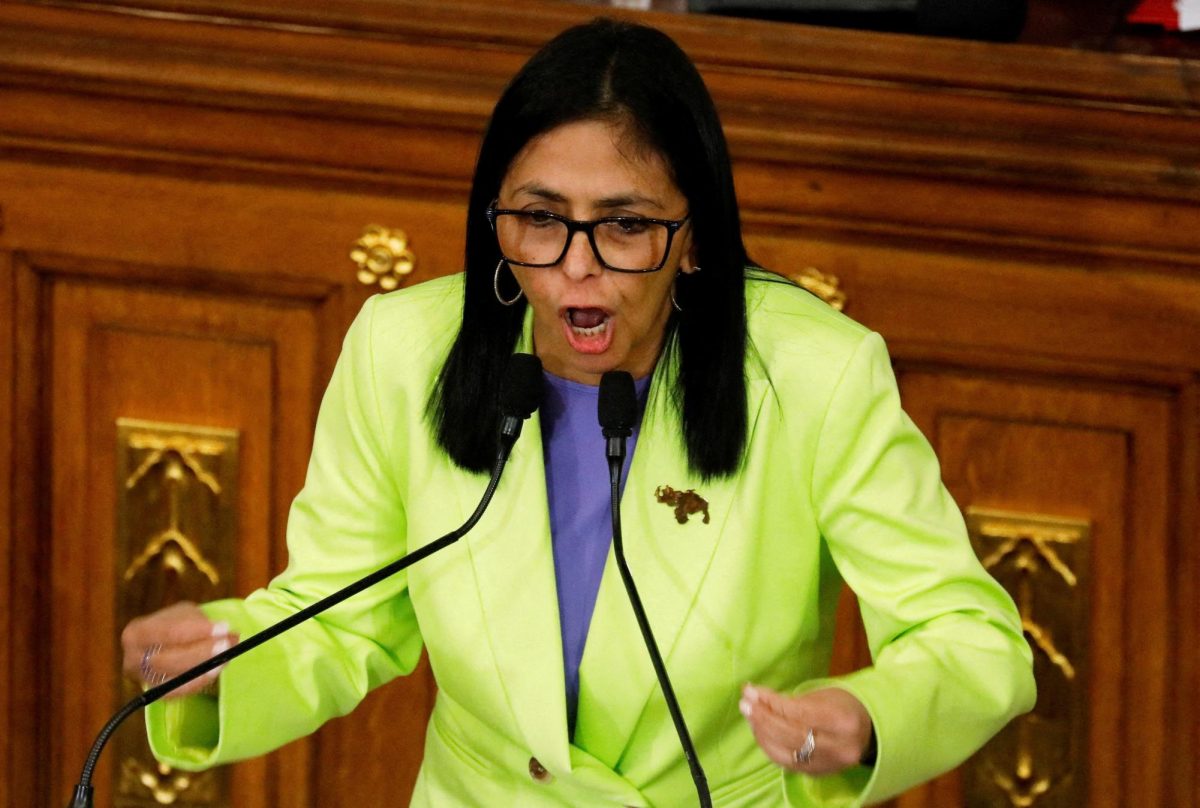
The Supreme Court of Venezuela has instructed Vice President Delcy Rodríguez to become acting president, but her authority has essentially been suspended by U.S. intervention.
Analysts are watching closely to see how international responses, opposing leaders, and elections shape Venezuela’s political future.
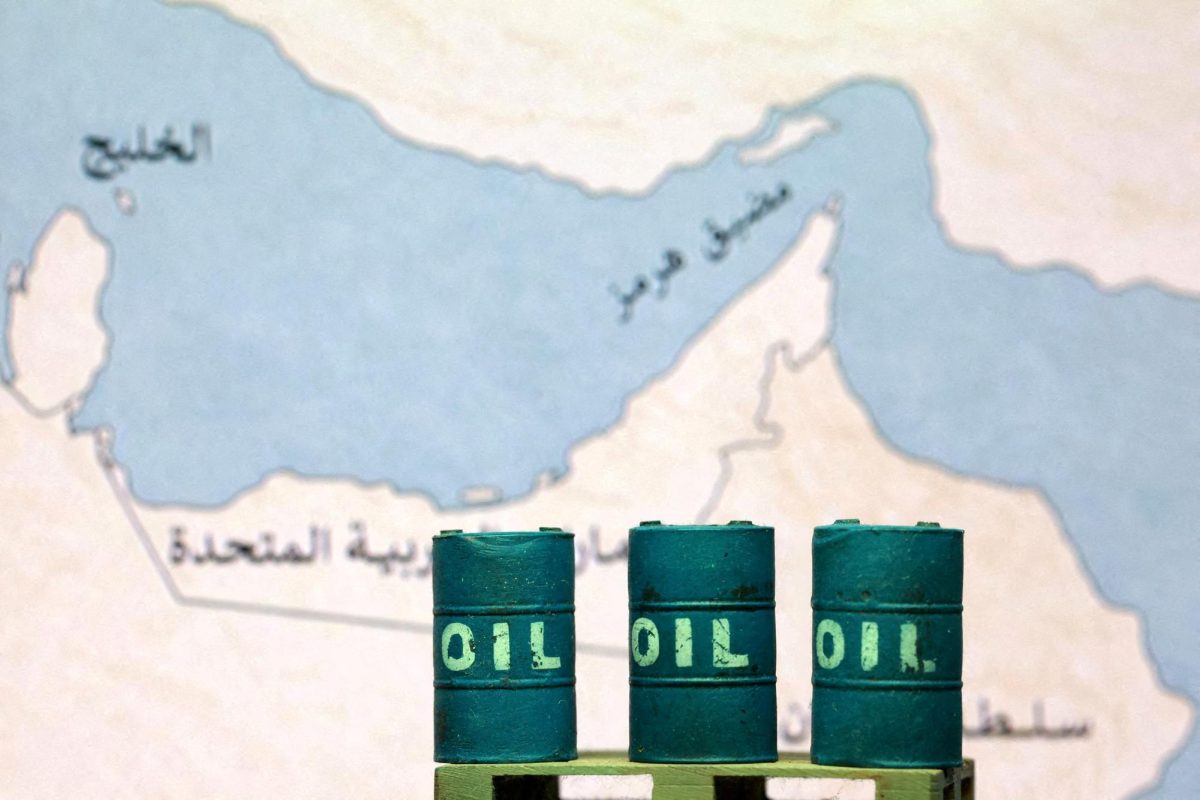
The United States will also be seizing Venezuela’s oil reserves, and has recently sold a portion of it to Vitol for $250 million.
Over the past decade, Venezuela has been in political and economic turmoil. Under Maduro, the country experienced hyperinflation, food and medicine shortages, and steep economic decline.
Human rights organizations have documented reports of oppression, including the arrest of political opposers, restrictions on press freedom, and allegations of torture by security forces.
As a result, millions of Venezuelans have fled the country, creating one of the largest migration crises since the 1970s.
“I hope there is a solution to this situation where law and justice is upheld,” said freshman Tamar Ashkenazi.
The situation is constantly changing, and both Venezuelan citizens and the international community are awaiting developments.