
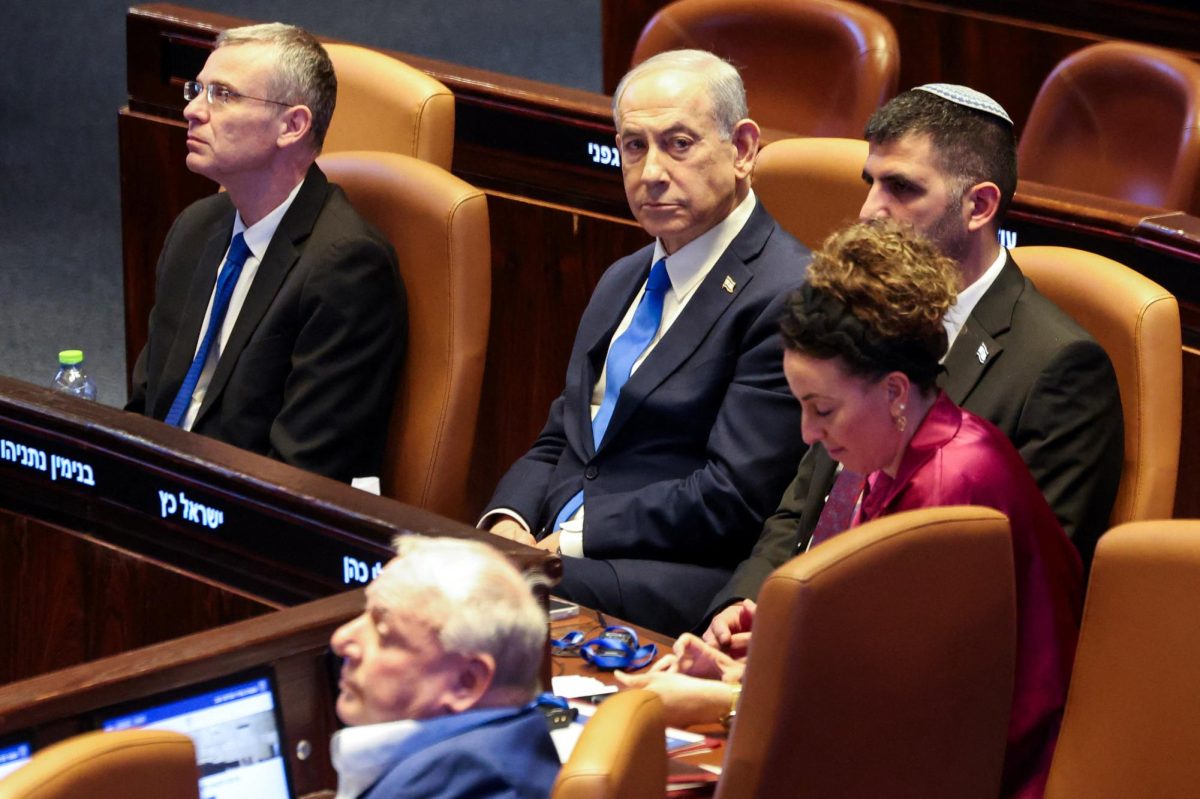
The coalition that heads the Israeli government, led by Prime Minister Benjamin Netanyahu, is at risk of collapsing.
Currently, the coalition, which comprises various political parties aligned to form a legislative majority, stands at 61 out of 120 seats in the Knesset, Israeli parliament. This means that only a single seat in the Knesset is keeping the governing coalition in the majority.
The coalition includes Netanyahu’s Likud, Otzma Yehudit, the Religious Zionism party and other parties with only one or two seats each.
However, eleven of the coalition’s seats belong to the Ultra Orthodox party, Shas. Although they are part of the coalition and vote with the rest of the coalition parties, they resigned their government positions that were awarded to them for being part of the coalition. This came after conflict regarding Haredi (Shas represents Haredi interests) exemptions from being drafted into the IDF.
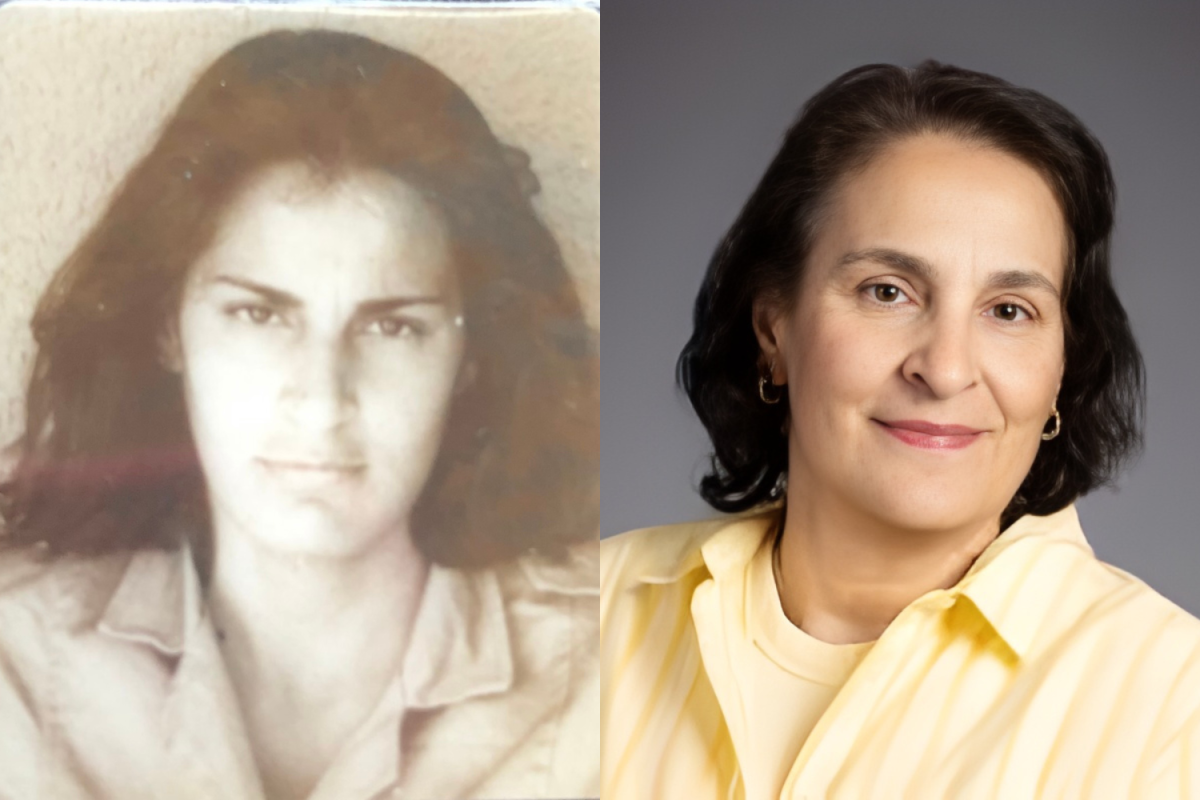
Freshman Tamar Ashkenazi said, “I am not surprised that they would leave, as they were very clear about their obligations to their Haredi voters and supporters, to themselves and their families. They will not willingly join the army, for better or for worse.”
The controversial draft exemption bill that forced Ultra Orthodox men to gradually join the IDF, led to the other main Haredi United Torah Judaism (UTJ) to leave the coalition altogether.
In early 2025, the ultranationalist–Jewish Otzma Yehudit (Jewish Power) left the coalition with its six seats, rejoining a couple of months later.
Religious Zionism, which is led by Finance Minister Bezalel Smotrich, conveyed many threats, among them being his threat to leave the coalition if there was a “premature” end to the war in Gaza.
“I think that the way the Religious Zionism party is using the war in Gaza to push a political agenda and threatening to leave the coalition is irresponsible and puts national safety at risk,” said sophomore Gilad Gefen, who moved from Israel before the start of the school year.
As the issue of ending the Gaza war and Ultra Orthodox draft exemption continue to be two major issues, Netanyahu continues to be at risk of his coalition disbanding, forcing an election and potentially removing him from power.
The general election is scheduled for October 2026.
According to the Times of Israel, as of late 2025, Netanyahu’s Likud would remain the largest party if there was an election called. However, there is still insecurity regarding his ability to form a coalition that would result give them a collective Knesset majority.
Part of Netanyahu’s comparative strength is that he agreed to a ceasefire, which resulted in bringing all living hostages home but one deceased hostage. For months, Netanyahu was the target of enormous animosity against the government, which failed to retrieve the remaining hostages, and many attributed it to his need to stay in power.
Junior Alma Adiel said, “I personally think that the war dragged on far longer than it should’ve and part of the reason is because Netanyahu wasn’t prioritizing returning the hostages; only once President Trump was elected did the war end. I think Netanyahu cares more about his power than he does the people of Israel, and will do anything to ensure he keeps that power including dragging on the war.”
Among those that could replace him with a larger coalition are centre-left Yesh Atid leader Yair Lapid, and right-wing New Right leader Naftali Bennett, though his party is not in the Knesset. Both were prime ministers before the 2022 election.
Another centrist leader, Benny Gantz, who left the security cabinet which was formed for the Gaza war, could lead a coalition against Likud and his far-right coalition. However, he also would fail the threshold to be in the Knesset, according to a Channel 12 poll.
Sophomore Remy Friedberg said “Israeli politics have been quite disoriented, unstable and polarized for years. I hope that we can find some unity and common ground before the rifts become too big.”